
Types of Cancer

Types of Cancer
Reviewed by Kamran Mahmood, MD, MPH, Associate Professor of Medicine, Duke University Medical Center, Board Certified in Pulmonology & Critical Care.
Cancer is one of the leading causes of death worldwide, affecting millions of people each year. While there are more than 100 different types of cancer, a smaller group accounts for most diagnoses globally.
Understanding the most common cancers, their symptoms, causes, and available treatments can help with earlier detection and better treatment outcomes.
In this guide, we cover 18 common types of cancer, their warning signs, risk factors, treatment options, and when to consider getting a second medical opinion.
What Are the Most Common Types of Cancer?
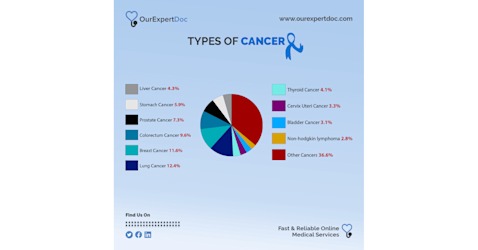
There are more than 100 types of cancer, but these 18 are among the most common worldwide:
What Is Cancer?
Cancer occurs when abnormal cells grow uncontrollably and invade healthy tissues. These cells can spread to other parts of the body through blood or lymphatic systems.
Cancer may develop due to:
genetic mutations
smoking
infections
radiation exposure
unhealthy diet
obesity
family history
aging
Early diagnosis often improves survival rates.
What Are the 5 Main Categories of Cancer?
The 5 main categories of cancer are:
1. Carcinoma
Starts in skin or organ lining cells. Examples: breast, lung, prostate.
2. Sarcoma
Starts in connective tissues like bone, fat, muscle, or cartilage.
3. Leukemia
Blood-forming tissue cancer affecting white blood cells.
4. Lymphoma
Cancer of the lymphatic system.
5. Melanoma
Aggressive skin cancer affecting pigment cells.
Now lets move ahead and discuss the each cancer type in detail.
1. Breast Cancer: Symptoms, Causes & Treatment Options
Breast cancer is the most common cancer in women worldwide. It begins when abnormal breast cells grow uncontrollably.
Common Symptoms
Common Breast cancer symptoms are as follow
breast lump
nipple discharge
skin dimpling
breast swelling
breast pain
Risk Factors
age over 40
family history
BRCA1/BRCA2 mutations
hormone replacement therapy
obesity
Treatment Options
surgery
radiation therapy
chemotherapy
hormone therapy
targeted therapy.
If you’ve had an abnormal mammogram or symptoms, our board-certified doctors offer online consultations to review results and guide next steps.
Read our full Breast Cancer guide
2. Lung Cancer: Early Signs, Risk Factors & Modern Therapies
Lung cancer is one of the leading causes of cancer-related deaths worldwide. It includes two main types: non-small cell lung cancer (NSCLC) and small cell lung cancer (SCLC).
Common Symptoms
Common lung cancer symptoms are as following
persistent cough
coughing up blood
chest pain
hoarseness
wheezing
unexplained weight loss
Risk Factors
smoking
secondhand smoke exposure
radon exposure
asbestos exposure
air pollution
family history of lung cancer
Diagnosis & Evaluation
chest X-ray
CT scan
PET-CT scan
bronchoscopy
biopsy
molecular testing
Treatment Options
surgery
radiation therapy
chemotherapy
targeted therapy
immunotherapy
clinical trials
When to Get a Second Opinion
Patients often seek a second opinion to confirm the cancer stage, review biopsy and molecular testing results, and compare treatment options such as surgery, radiation, chemotherapy, targeted therapy, or immunotherapy. A second opinion can also help identify eligibility for clinical trials and ensure the treatment plan is based on biomarkers such as EGFR, ALK, KRAS, and PD-L1.
If you’re symptomatic or screening-eligible, our specialists provide online consultations to assess risk and organize testing. Learn more about Lung Cancer here
3. Prostate Cancer: Symptoms, Risk Factors & Treatment
Prostate cancer is common in men over 50 and often grows slowly, although some forms can be aggressive. It begins when abnormal cells grow in the prostate gland.
Common Symptoms
urinary changes
frequent urination
difficulty starting urination
weak urine flow
pelvic discomfort
no symptoms in early stages
Risk Factors
age over 50
family history
BRCA2 mutations
genetic risk factors
Diagnosis & Evaluation
PSA testing
digital rectal exam
prostate MRI
targeted biopsy
Gleason grade
Grade Group and staging
Treatment Options
active surveillance
prostatectomy
external beam radiation therapy
brachytherapy
systemic therapy
focal therapies
When to Get a Second Opinion
Patients often seek a second opinion to confirm biopsy results, Gleason grade, Grade Group, and cancer stage. A second opinion can also help compare treatment options such as active surveillance, surgery, radiation, systemic therapy, or focal therapies, while considering possible side effects and quality-of-life impact.
Explore our Prostate Cancer article
4. Colorectal Cancer: Causes, Symptoms & Treatment Options
Colorectal cancer develops in the colon or rectum and is one of the most common cancers worldwide. It often begins as small growths called polyps, which may become cancerous over time if not detected early.
Common Symptoms
blood in the stool
abdominal pain
changes in bowel habits
fatigue
unexplained weight loss
rectal bleeding
Risk Factors
age over 50
family history of colorectal cancer
colon polyps
diet high in red or processed meat
obesity
smoking
Diagnosis & Evaluation
colonoscopy
stool-based screening tests
biopsy
CT scan
MRI
cancer staging
Treatment Options
surgery
chemotherapy
radiation therapy
targeted therapy
immunotherapy
active monitoring after treatment
When to Get a Second Opinion
Patients often seek a second opinion to confirm the cancer stage, review colonoscopy and biopsy results, and compare treatment options such as surgery, chemotherapy, radiation therapy, targeted therapy, or immunotherapy. A second opinion can also help determine whether additional testing or a different treatment plan may be needed based on the cancer’s location, stage, and overall health condition.
If you are experiencing concerning symptoms, an online consultation with our board-certified doctors can guide you on whether screening or immediate medical evaluation is needed.
See our detailed Colorectal Cancer article
5. Skin Cancer: Melanoma and Non-Melanoma Types
Skin cancer is the most common type of cancer worldwide. It usually develops when abnormal skin cells grow uncontrollably, often due to prolonged exposure to ultraviolet radiation from the sun or tanning beds.
Common Symptoms
new or changing moles
unusual skin growths
sores that do not heal
changes in mole size or color
bleeding or crusting skin spots
itchy or painful skin lesions
Risk Factors
UV radiation exposure
tanning bed use
fair skin
frequent sunburns
family history of skin cancer
weakened immune system
Diagnosis & Evaluation
skin examination
dermoscopy
skin biopsy
pathology review
mole mapping
cancer staging for melanoma
Treatment Options
surgical removal
Mohs surgery
radiation therapy
immunotherapy
targeted therapy
topical treatments
When to Get a Second Opinion
Patients often seek a second opinion to confirm biopsy and pathology results, especially when melanoma or an aggressive skin cancer is suspected. A second opinion can also help compare treatment options such as surgical removal, Mohs surgery, radiation therapy, immunotherapy, or targeted therapy, and guide the next steps for suspicious or changing skin lesions.
Read our full Skin Cancer guide.
6. Bladder Cancer: Symptoms, Causes & Diagnosis
Bladder cancer occurs when abnormal cells grow in the lining of the bladder, the organ that stores urine. It is more common in men than women and is often linked to smoking and chemical exposure.
Common Symptoms
blood in the urine
pain during urination
increased urinary frequency
urgent need to urinate
pelvic pain
lower back pain
Risk Factors
smoking
age over 50
industrial chemical exposure
family history of bladder cancer
male gender
chronic bladder irritation
Diagnosis & Evaluation
urine test
urine cytology
cystoscopy
biopsy
CT scan
cancer staging
Treatment Options
surgery
immunotherapy
chemotherapy
radiation therapy
targeted therapy
intravesical therapy
When to Get a Second Opinion
Patients often seek a second opinion to confirm the cancer stage, review cystoscopy and biopsy results, and compare treatment options such as surgery, immunotherapy, chemotherapy, radiation therapy, or intravesical therapy. A second opinion can also help avoid unnecessary procedures and ensure the treatment plan is appropriate for the type, grade, and stage of bladder cancer.
Learn more about Bladder Cancer here
7. Lymphoma: Hodgkin’s and Non-Hodgkin’s Lymphoma
Lymphoma is a cancer of the lymphatic system, which plays an important role in the body’s immune defense. The two main types are Hodgkin’s lymphoma and Non-Hodgkin’s lymphoma.
Common Symptoms
swollen lymph nodes
night sweats
fatigue
unexplained weight loss
persistent fever
itching or skin rash
Risk Factors
weakened immune system
Epstein-Barr virus infection
family history of lymphoma
certain viral infections
autoimmune conditions
age-related risk factors
Diagnosis & Evaluation
physical examination
blood tests
lymph node biopsy
CT scan
PET-CT scan
bone marrow biopsy
Treatment Options
chemotherapy
radiation therapy
immunotherapy
targeted therapy
stem cell transplantation
active monitoring for slow-growing lymphoma
When to Get a Second Opinion
Patients often seek a second opinion to confirm the exact lymphoma type, review biopsy and pathology results, and compare treatment options such as chemotherapy, radiation therapy, immunotherapy, targeted therapy, or stem cell transplantation. A second opinion can also help ensure the treatment plan matches the lymphoma subtype, stage, and overall health condition.
Read our detailed article on Lymphoma
8. Kidney Cancer: Symptoms, Risk Factors and Treatment
Kidney cancer, also known as renal cell carcinoma, is one of the most common cancers of the urinary system. It often develops silently and may not cause symptoms in the early stages.
Common Symptoms
blood in the urine
persistent lower back pain
fatigue
unexplained weight loss
pain in the side
loss of appetite
Risk Factors
smoking
obesity
high blood pressure
family history of kidney cancer
age-related risk factors
certain inherited conditions
Diagnosis & Evaluation
urine test
blood tests
ultrasound
CT scan
MRI
biopsy when needed
Treatment Options
surgery
targeted therapy
immunotherapy
radiation therapy
active surveillance
ablative therapies
When to Get a Second Opinion
Patients often seek a second opinion to confirm the diagnosis, review imaging and test results, and compare treatment options such as surgery, targeted therapy, immunotherapy, radiation therapy, or active surveillance. A second opinion can also help ensure the treatment plan is appropriate based on the tumor size, cancer stage, kidney function, and overall health condition.
Read more in our detailed Kidney Cancer article
9. Uterine Cancer: Understanding Endometrial Cancer
Uterine cancer, most commonly endometrial cancer, affects the lining of the uterus and is one of the most frequent gynecological cancers. It typically occurs in postmenopausal women and often presents with early symptoms, making detection easier than with other cancers.
Warning signs include abnormal vaginal bleeding, pelvic pain, and unexpected weight loss. Risk factors include obesity, hormonal imbalances, late menopause, and family history of uterine or colon cancer.
Treatment can range from surgery to hormonal therapy or radiation, which is why a second medical opinion is valuable to ensure the right plan is chosen. For women experiencing symptoms, our gynecologic specialists provide online consultations to review test results and discuss personalized care.
Explore our comprehensive Uterine Cancer article
10. Leukemia: Blood and Bone Marrow Cancer
Uterine cancer, most commonly endometrial cancer, affects the lining of the uterus. It is one of the most frequent gynecological cancers and often occurs in postmenopausal women.
Common Symptoms
abnormal vaginal bleeding
postmenopausal bleeding
pelvic pain
unusual vaginal discharge
unexpected weight loss
pain during intercourse
Risk Factors
obesity
hormonal imbalances
late menopause
family history of uterine cancer
family history of colon cancer
age-related risk factors
Diagnosis & Evaluation
pelvic examination
transvaginal ultrasound
endometrial biopsy
hysteroscopy
MRI or CT scan
cancer staging
Treatment Options
surgery
hormonal therapy
radiation therapy
chemotherapy
targeted therapy
immunotherapy
When to Get a Second Opinion
Patients often seek a second opinion to confirm the diagnosis, review biopsy and imaging results, and compare treatment options such as surgery, hormonal therapy, radiation therapy, chemotherapy, targeted therapy, or immunotherapy. A second opinion can also help ensure the treatment plan is personalized based on cancer stage, tumor type, hormone sensitivity, and overall health condition.
Learn more in our Leukemia guide
11. Pancreatic Cancer: Symptoms, Causes & Treatment Options
Pancreatic cancer is one of the most aggressive cancers and is often diagnosed at an advanced stage because early symptoms can be subtle. It develops in the pancreas, an organ that helps with digestion and blood sugar regulation.
Common Symptoms
jaundice
abdominal pain
back pain
unexplained weight loss
fatigue
digestive issues
Risk Factors
smoking
chronic pancreatitis
diabetes
obesity
family history of pancreatic cancer
age-related risk factors
Diagnosis & Evaluation
blood tests
CT scan
MRI
endoscopic ultrasound
biopsy
cancer staging
Treatment Options
surgery
chemotherapy
radiation therapy
targeted therapy
immunotherapy
clinical trials
When to Get a Second Opinion
Patients often seek a second opinion to confirm the diagnosis, review imaging and biopsy results, and evaluate eligibility for treatment options such as surgery, chemotherapy, radiation therapy, targeted therapy, immunotherapy, or clinical trials. A second opinion can also help determine whether the cancer is operable and ensure the treatment plan is based on the cancer stage, tumor location, and overall health condition.
Read our full Pancreatic Cancer article
12. Thyroid Cancer: Symptoms and Treatment
Thyroid cancer develops in the thyroid gland, which is located in the front of the neck. It is often treatable when detected early and is more common in women.
Common Symptoms
lump in the neck
voice changes
difficulty swallowing
neck swelling
persistent hoarseness
neck pain
Risk Factors
radiation exposure
family history of thyroid disease
inherited genetic conditions
female gender
age-related risk factors
history of thyroid nodules
Diagnosis & Evaluation
physical examination
thyroid ultrasound
blood tests
fine needle aspiration biopsy
genetic testing when needed
cancer staging
Treatment Options
surgery
radioactive iodine therapy
thyroid hormone therapy
external beam radiation therapy
targeted therapy
active monitoring
When to Get a Second Opinion
Patients often seek a second opinion to confirm biopsy results, review imaging findings, and compare treatment options such as surgery, radioactive iodine therapy, thyroid hormone therapy, targeted therapy, or active monitoring. A second opinion can also help ensure the treatment plan is appropriate based on the thyroid cancer type, tumor size, stage, and overall health condition.
See our comprehensive Thyroid Cancer guide
13. Liver Cancer: Causes, Risk Factors and Symptoms
Liver cancer, most commonly hepatocellular carcinoma, often develops in people with chronic liver diseases such as hepatitis B, hepatitis C, or cirrhosis. It is more common in men and may be diagnosed at an advanced stage because early symptoms can be mild or absent.
Common Symptoms
abdominal swelling
abdominal pain
jaundice
unintentional weight loss
fatigue
loss of appetite
Risk Factors
chronic hepatitis B
chronic hepatitis C
heavy alcohol use
obesity
fatty liver disease
Diagnosis & Evaluation
blood tests
liver function tests
AFP tumor marker test
ultrasound
CT scan
MRI
Treatment Options
surgery
liver transplantation
local ablation therapy
embolization therapy
targeted therapy
immunotherapy
When to Get a Second Opinion
Patients often seek a second opinion to confirm the diagnosis, review imaging and blood test results, and compare treatment options such as surgery, liver transplantation, ablation therapy, embolization therapy, targeted therapy, or immunotherapy. A second opinion can also help determine the best approach based on liver function, tumor size, cancer stage, and overall health condition.
Read more in our detailed Liver Cancer article
14. Ovarian Cancer: Symptoms, Causes and Early Detection
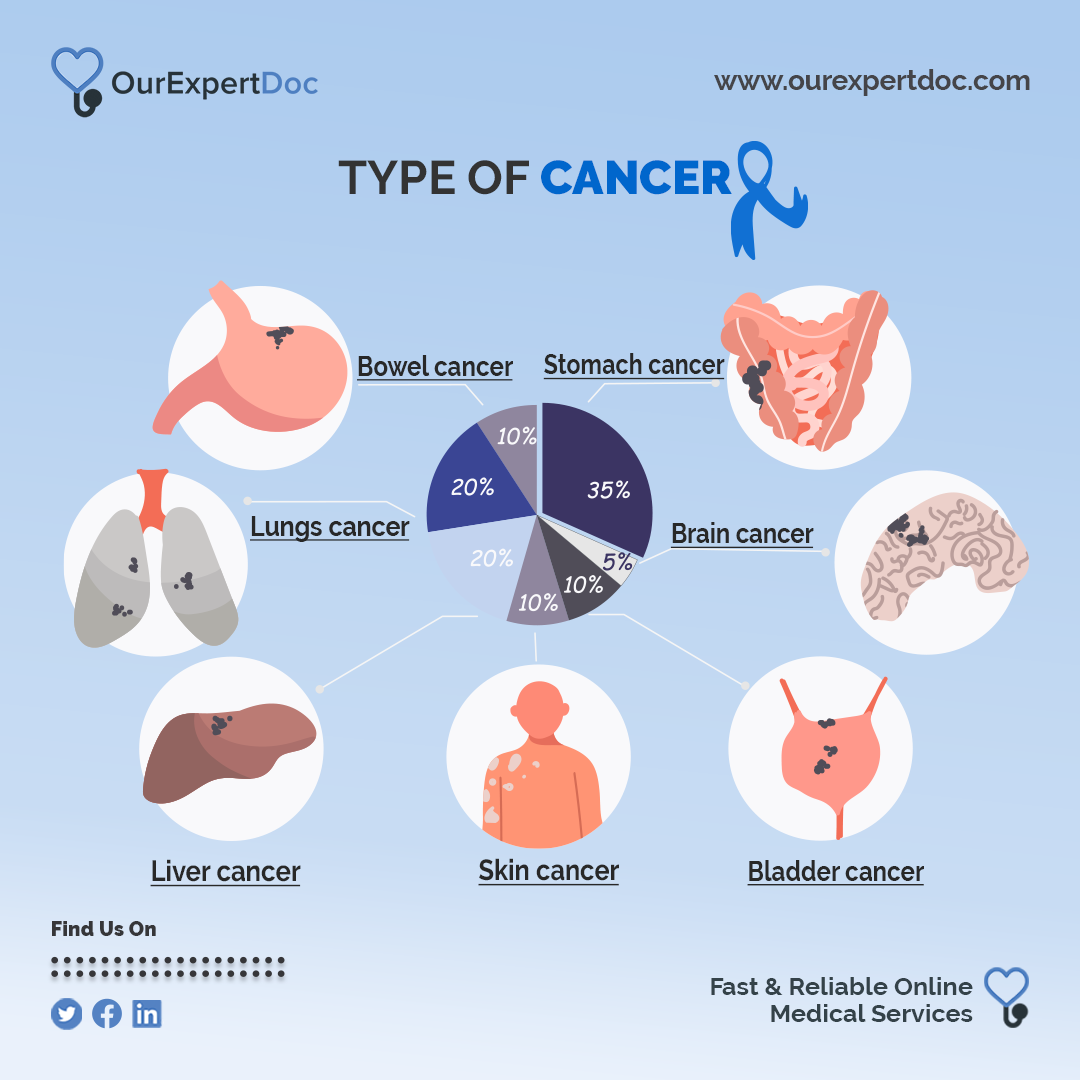
Ovarian cancer begins in the ovaries, the female reproductive organs responsible for producing eggs and hormones. It is often diagnosed at a later stage because symptoms can be vague and easily mistaken for less serious conditions.
Common Symptoms
abdominal bloating
pelvic pain
difficulty eating
frequent urination
fatigue
unexplained weight changes
Risk Factors
family history of ovarian cancer
BRCA1/BRCA2 mutations
older age
reproductive history
inherited genetic conditions
personal history of breast cancer
Diagnosis & Evaluation
pelvic examination
transvaginal ultrasound
CA-125 blood test
CT scan
biopsy when needed
cancer staging
Treatment Options
surgery
chemotherapy
targeted therapy
immunotherapy
hormone therapy
clinical trials
When to Get a Second Opinion
Patients often seek a second opinion to confirm the diagnosis, review imaging and blood test results, and compare treatment options such as surgery, chemotherapy, targeted therapy, immunotherapy, or clinical trials. A second opinion can also help ensure the treatment plan is appropriate based on cancer stage, tumor type, genetic testing results, and overall health condition.
Read our full Ovarian Cancer article
15. Testicular Cancer
Testicular cancer develops in the testicles, the male reproductive glands responsible for producing sperm and testosterone. It is most common in men aged 15–35 and has one of the highest cure rates when treated early.
Common Symptoms
Painless lump in the testicle
Testicular swelling
Feeling of heaviness in the scrotum
Testicular pain or discomfort
Scrotal swelling
Lower abdominal or groin discomfort
Risk Factors
Age 15–35
Family history of testicular cancer
Undescended testicles
Previous testicular cancer
Abnormal testicular development
Genetic risk factors
Diagnosis & Evaluation
Physical examination
Testicular ultrasound
Blood tumor marker tests
CT scan
Biopsy or surgical evaluation
Cancer staging
Treatment Options
Surgery
Chemotherapy
Radiation therapy
Active surveillance
Retroperitoneal lymph node dissection
Fertility preservation before treatment
When to Get a Second Opinion
Patients often seek a second opinion to confirm the diagnosis, review ultrasound and tumor marker results, and compare treatment options such as surgery, chemotherapy, radiation therapy, or active surveillance. A second opinion can also help confirm staging, evaluate fertility preservation options, and ensure the right treatment plan is chosen based on cancer type, stage, and overall health condition.
Explore our detailed Testicular Cancer article
16. Sarcoma: Rare Cancers of Soft Tissue and Bone
Sarcomas are rare cancers that begin in connective tissues such as muscle, fat, blood vessels, or bone. They are mainly divided into soft tissue sarcomas and bone sarcomas, including osteosarcoma.
Common Symptoms
Physical examination
MRI
CT scan
Biopsy
Pathology review
Cancer staging
Risk Factors
Physical examination
MRI
CT scan
Biopsy
Pathology review
Cancer staging
Diagnosis & Evaluation
Physical examination
MRI
CT scan
Biopsy
Pathology review
Cancer staging
Treatment Options
Surgery
Radiation therapy
Chemotherapy
Targeted therapy
Immunotherapy
Specialized cancer center care
When to Get a Second Opinion
Patients often seek a second opinion to confirm the exact sarcoma type, review biopsy and pathology results, and compare treatment options such as surgery, radiation therapy, chemotherapy, targeted therapy, or immunotherapy. A second opinion is especially valuable because sarcomas are rare and complex, and treatment often requires expertise from specialized cancer centers.
17. Bone Cancer: Primary and Secondary Types
Bone cancer begins in the cells of the bone. It may be primary bone cancer, which starts in the bone, or secondary/metastatic cancer, which spreads to the bone from another part of the body.
Common Symptoms
Persistent bone pain
Swelling in the affected area
Bone fractures
Reduced mobility
Tenderness near the bone
Pain that worsens over time
Risk Factors
Genetic conditions
Previous radiation therapy
Certain bone disorders
Family history of bone cancer
Younger age for some bone cancers
History of cancer spreading to bone
Diagnosis & Evaluation
Physical examination
X-ray
MRI
CT scan
Bone scan
Biopsy
Treatment Options
Surgery
Chemotherapy
Radiation therapy
Targeted therapy
Limb-sparing surgery
Pain and mobility support
When to Get a Second Opinion
Patients often seek a second opinion to confirm whether the cancer is primary bone cancer or metastatic cancer, review biopsy and imaging results, and compare treatment options such as surgery, chemotherapy, radiation therapy, or targeted therapy. A second opinion can also help confirm the exact cancer type, such as osteosarcoma, chondrosarcoma, or Ewing sarcoma, and ensure the treatment plan is based on accurate staging and overall health condition.
Read our comprehensive Bone Cancer article
18. Throat and Tongue Cancer: Head and Neck Cancers
Throat and tongue cancers are part of the broader category of head and neck cancers. They may affect the tissues of the pharynx, larynx, or tongue and are often linked to tobacco use, alcohol consumption, or HPV infection.
Common Symptoms
Persistent sore throat
Difficulty swallowing
Voice changes
Mouth sores
Lump in the neck
Tongue pain or swelling
Risk Factors
Smoking
Heavy alcohol use
HPV infection
Poor oral hygiene
Tobacco chewing
Family history of head and neck cancer
Diagnosis & Evaluation
Physical examination
Oral examination
Endoscopy
Biopsy
CT scan
MRI or PET-CT scan
Treatment Options
Surgery
Radiation therapy
Chemotherapy
Targeted therapy
Immunotherapy
Speech and swallowing rehabilitation
When to Get a Second Opinion
Patients often seek a second opinion to confirm biopsy and imaging results, review the cancer stage, and compare treatment options such as surgery, radiation therapy, chemotherapy, targeted therapy, or immunotherapy. A second opinion is especially valuable because treatment can affect speech, swallowing, appearance, and overall quality of life.
Explore our Throat and Tongue Cancer article
Early Warning Signs of Cancer
See a doctor if you experience:
unexplained weight loss
persistent fatigue
blood in stool or urine
persistent cough
unusual lumps
abnormal bleeding
long-lasting pain
changes in bowel habits
difficulty swallowing
Early diagnosis significantly improves treatment outcomes.
Book a Consultation or Get a Second Medical Opinion
A cancer diagnosis can be overwhelming. Different specialists may recommend different treatment plans based on imaging, pathology, staging, and biomarkers.
Our American board-certified doctors provide:
online second opinions
diagnosis review
treatment plan review
Book an Online Consultation with an Oncologist
Frequently Asked Questions (FAQs)
Here are some commonly asked questions about cancer to help clarify key concerns.
1. Can all types of cancer be detected by a blood test?
No, not all cancers can be detected with a blood test. While some cancers produce tumor markers in the blood, diagnosis usually requires imaging, biopsy, or other specialized tests. If you’re unsure about your test results, consider an online consultation with our doctors to review them.
2. Can all types of cancer be cured?
Not every cancer is fully curable, especially if diagnosed late. However, many cancers are treatable and manageable, particularly when caught early. A second medical opinion can confirm whether you have access to the most effective treatment options.
3. Which types of cancer are the deadliest?
Cancers such as lung, pancreatic, liver, and advanced-stage breast cancer have some of the lowest survival rates. This is why early detection, accurate diagnosis, and expert-reviewed treatment plans are critical.
4. Which types of cancer are hereditary?
Hereditary cancers include breast, ovarian, colorectal, prostate, and pancreatic cancers. Genetic testing can help identify inherited risks. If you have a family history, our specialists offer online consultations to discuss whether genetic testing is right for you.
5. When should I get a second medical opinion for cancer?
You should consider a second opinion if you have been diagnosed with a serious cancer, your treatment plan is unclear, or you want to confirm all available options. A second opinion can provide peace of mind and sometimes uncover better alternatives.
6. Types of cancer and survival rates ?
Survival rates differ widely based on cancer type, stage at diagnosis, and individual factors. Here's a breakdown of cancers with the highest and lowest survival rates:
Cancers with High Survival Rates:
Thyroid Cancer : 99.9%
Melanoma of the Skin : 99.6%
Breast Cancer : 99.3%
Testicular Cancer : 99.2%
Uterine Cancer : 94.9%
Cancers with Low Survival Rates:
Pancreatic Cancer : 8.3%
Brain Cancer : 12.9%
Liver Cancer : 13.4%
Esophageal Cancer : 21%
Lung Cancer : 24.8%
Younger individuals under 40 generally have higher survival rates, while early detection through screening programs is critical for improving outcomes.