
Bladder Cancer Causes Symptoms Diagnosis and Treatment

Bladder Cancer
Reviewed by Kamran Mahmood, MD, MPH, Associate Professor of Medicine, Duke University Medical Center, Board Certified in Pulmonology & Critical Care.
Bladder cancer arises when abnormal cells grow uncontrollably in the bladder lining, leading to potential health risks. It is significantly more common in men than women, with smoking being the primary contributor. Early detection and awareness of symptoms, such as blood in urine or changes in urination habits, are vital for successful treatment and improved outcomes.
How it Primarily Affects Men
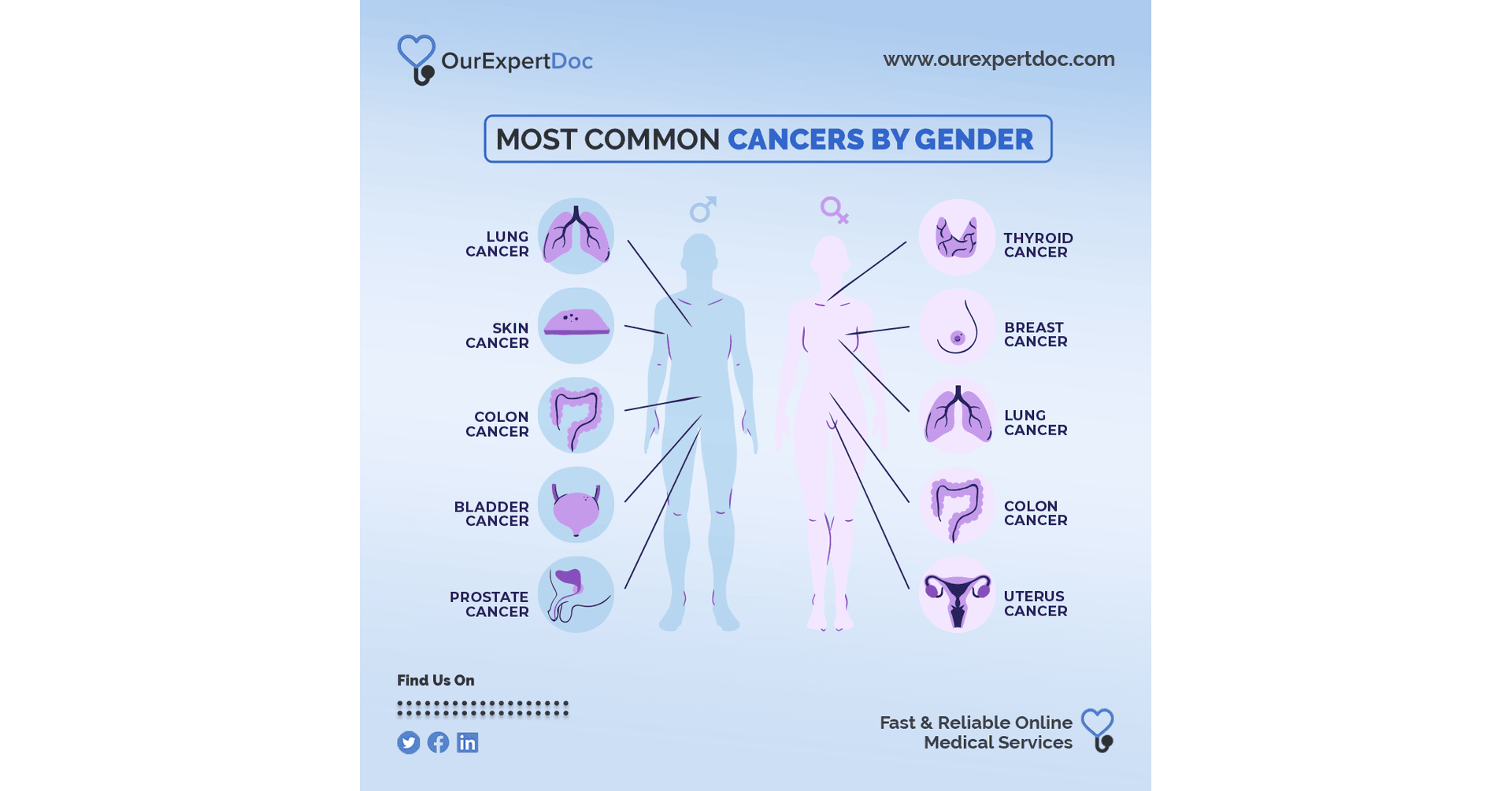
Bladder cancer is more prevalent in men, possibly due to higher rates of smoking and occupational exposures to chemicals.
Risk Factors
Smoking
Tobacco smoke introduces harmful chemicals to the urinary system.
Chemical Exposure
Industries like dye manufacturing, rubber, and leather increase risk.
Age and Gender
Risk increases with age, and men are more likely to develop bladder cancer.
Common Signs
Blood in urine (hematuria), often painless.
Frequent urination or an urgent need to urinate.
Pain during urination or in the lower abdomen.
Diagnosis
Urinalysis
Checks for blood or cancerous cells in the urine.
Cystoscopy
A thin tube with a camera is inserted into the bladder to check for abnormalities.
Imaging Tests
CT or MRI scans to detect tumors.
Biopsy
A sample of bladder tissue confirms the presence of cancer.
Treatment
Surgery
Includes tumor removal or, in severe cases, bladder removal (cystectomy).
Immunotherapy
Drugs like BCG are placed directly into the bladder to stimulate the immune system.
Chemotherapy
Administered before or after surgery to shrink or destroy cancer cells.
Radiation Therapy
Often used when surgery isn’t an option.
Screening
No routine screening is currently recommended, but individuals at high risk may benefit from regular cystoscopy or urine tests.
Prevention
Quit smoking to reduce exposure to harmful chemicals.
Limit exposure to workplace carcinogens by using protective equipment.
Stay hydrated to flush the bladder regularly.
Eat a healthy diet rich in fruits and vegetables.
Bladder cancer is often treatable if caught early. Recognizing symptoms and reducing risk factors are critical for prevention and improved outcomes.
You may also like to read about