
Prostate Cancer: Symptoms, Risk Factors, Detection, and Treatment Options
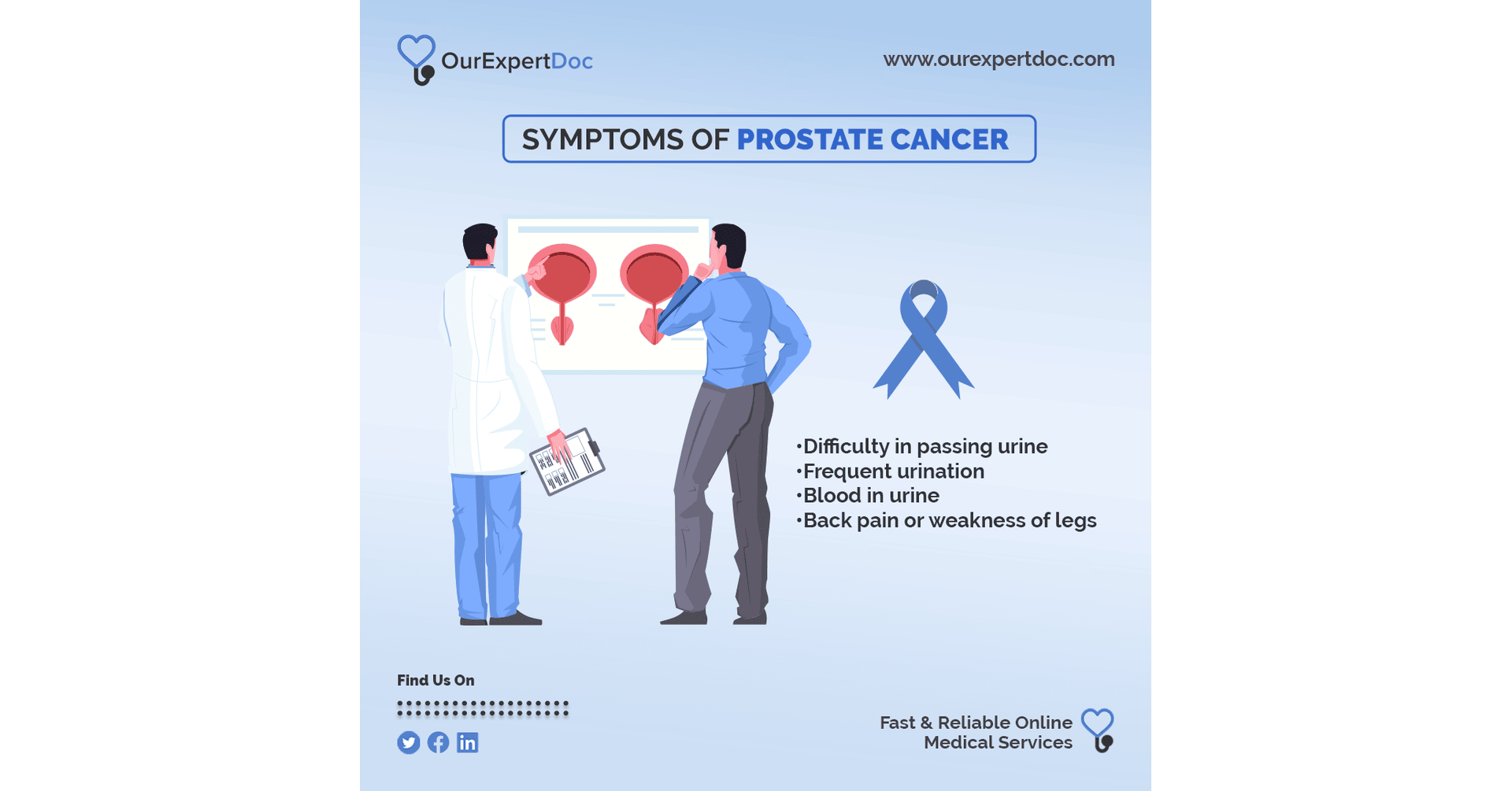
Prostate Cancer
Reviewed by Kamran Mahmood, MD, MPH, Associate Professor of Medicine, Duke University Medical Center, Board Certified in Pulmonology & Critical Care.
Prostate cancer is one of the most prevalent cancers affecting men, particularly those over 50. It begins in the prostate gland, a small but vital part of the male reproductive system responsible for producing seminal fluid. While many cases develop slowly and may not show symptoms in the early stages, early detection is critical for effective treatment and improved outcomes. Understanding the risk factors, screening methods, and treatment options can empower men to take proactive steps toward their health.
How Prostate Cancer Affects Men
Age:
Risk increases significantly after age 50, with the majority of cases diagnosed in men over 65.
Hormonal Factors:
Androgens (male hormones) can fuel the growth of prostate cancer cells.
Genetics:
A family history of prostate cancer or inherited gene mutations (e.g., BRCA1 and BRCA2) can elevate risk.
Early Detection Methods
PSA (Prostate-Specific Antigen) Testing:
Measures PSA levels in the blood. Elevated levels may indicate prostate cancer or other prostate issues.
Digital Rectal Exam (DRE):
A doctor checks the prostate for abnormalities through the rectum.
Diagnosis
Biopsy:
A small tissue sample from the prostate is examined for cancer cells.
Imaging Tests:
MRI or CT scans help determine the extent of the disease.
Gleason Score:
Used to grade the aggressiveness of prostate cancer cells.
Treatment
Active Surveillance:
For slow-growing cancers, regular monitoring without immediate treatment.
Surgery:
Prostatectomy (removal of the prostate gland).
Radiation Therapy:
External beam or brachytherapy (internal radiation).
Hormone Therapy:
Reduces androgen levels to slow cancer growth.
Chemotherapy:
Used for advanced or aggressive prostate cancer.
Targeted Therapy:
For cancers with specific genetic mutations.
Screening
Regular PSA testing is recommended for men aged 50 and above or earlier for those with a family history of prostate cancer.
Discuss screening options with a doctor to weigh the risks and benefits based on individual health factors.
Prevention
Maintain a healthy diet rich in fruits, vegetables, and whole grains.
Limit consumption of red meat and high-fat dairy products.
Exercise regularly to maintain a healthy weight.
Avoid smoking and excessive alcohol consumption.
Prostate cancer is highly treatable when detected early. Men should stay informed about their risk factors and consider regular screenings to ensure timely intervention.
You may also like to read about