
Understanding Lung Cancer: Causes, Types, Symptoms, and Prevention
Lung Cancer
Reviewed by Kamran Mahmood, MD, MPH, Associate Professor of Medicine, Duke University Medical Center, Board Certified in Pulmonology & Critical Care.
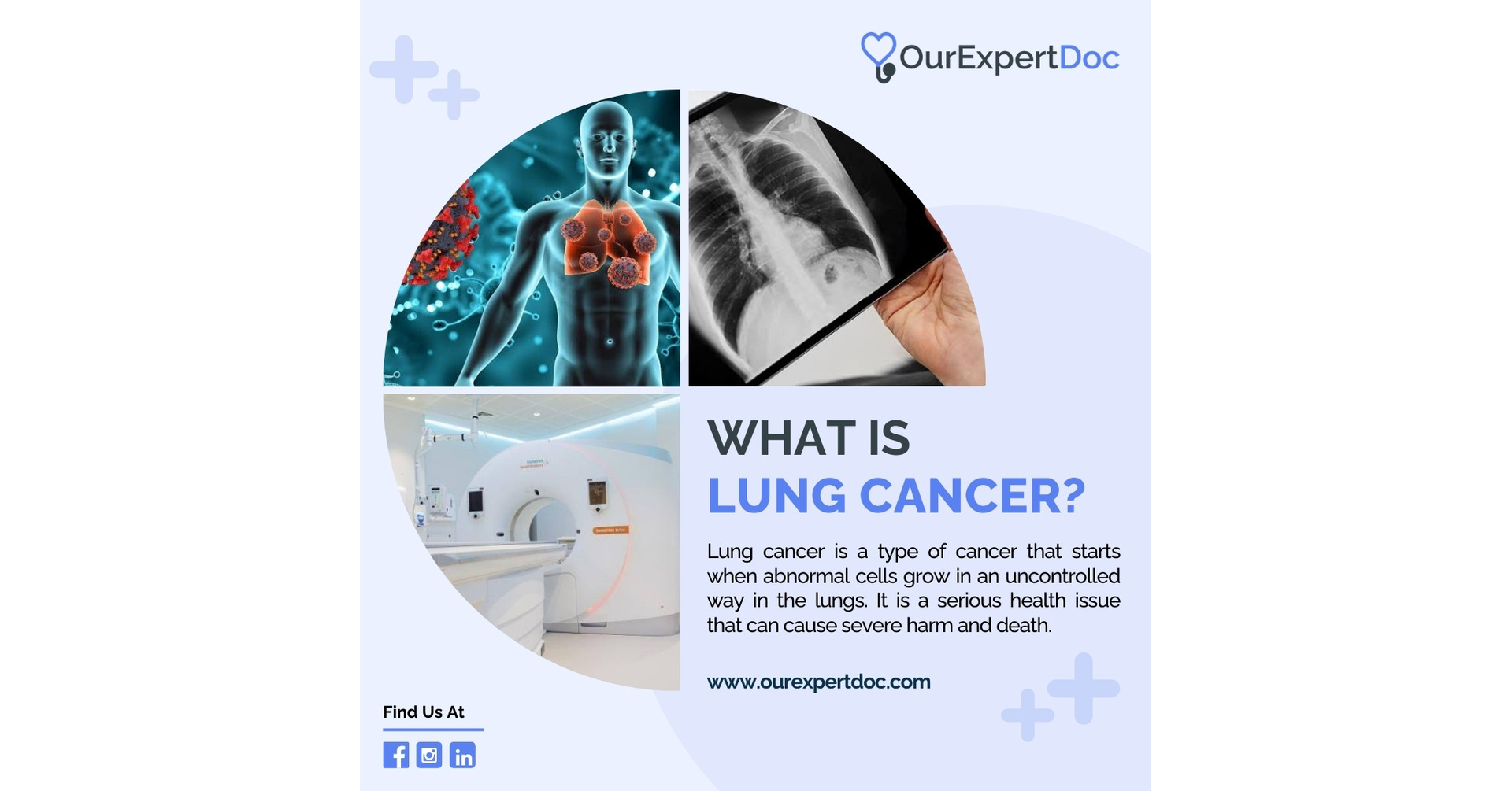
Lung Cancer is one of the most prevalent and life-threatening cancers globally, often associated with smoking and environmental factors like air pollution and radon exposure. It develops when abnormal cells in the lungs grow uncontrollably, impairing the lungs' ability to function efficiently. With its high mortality rate, understanding the causes, types, and prevention strategies is crucial for early detection and better outcomes. This article explores everything you need to know about lung cancer, from its warning signs to advanced treatment options and actionable prevention tips.
Types of Lung Cancer
Non-Small Cell Lung Cancer (NSCLC):
The most common type, accounting for about 85% of lung cancer cases.
Includes subtypes like adenocarcinoma, squamous cell carcinoma, and large cell carcinoma.
Small Cell Lung Cancer (SCLC):
A more aggressive form, making up about 15% of cases.
Strongly associated with smoking.
Smoking and Environmental Factors
Smoking is the leading cause of lung cancer, contributing to about 80-90% of cases.
Secondhand smoke, air pollution, exposure to radon gas, and workplace carcinogens like asbestos also increase the risk.
Signs and Symptoms
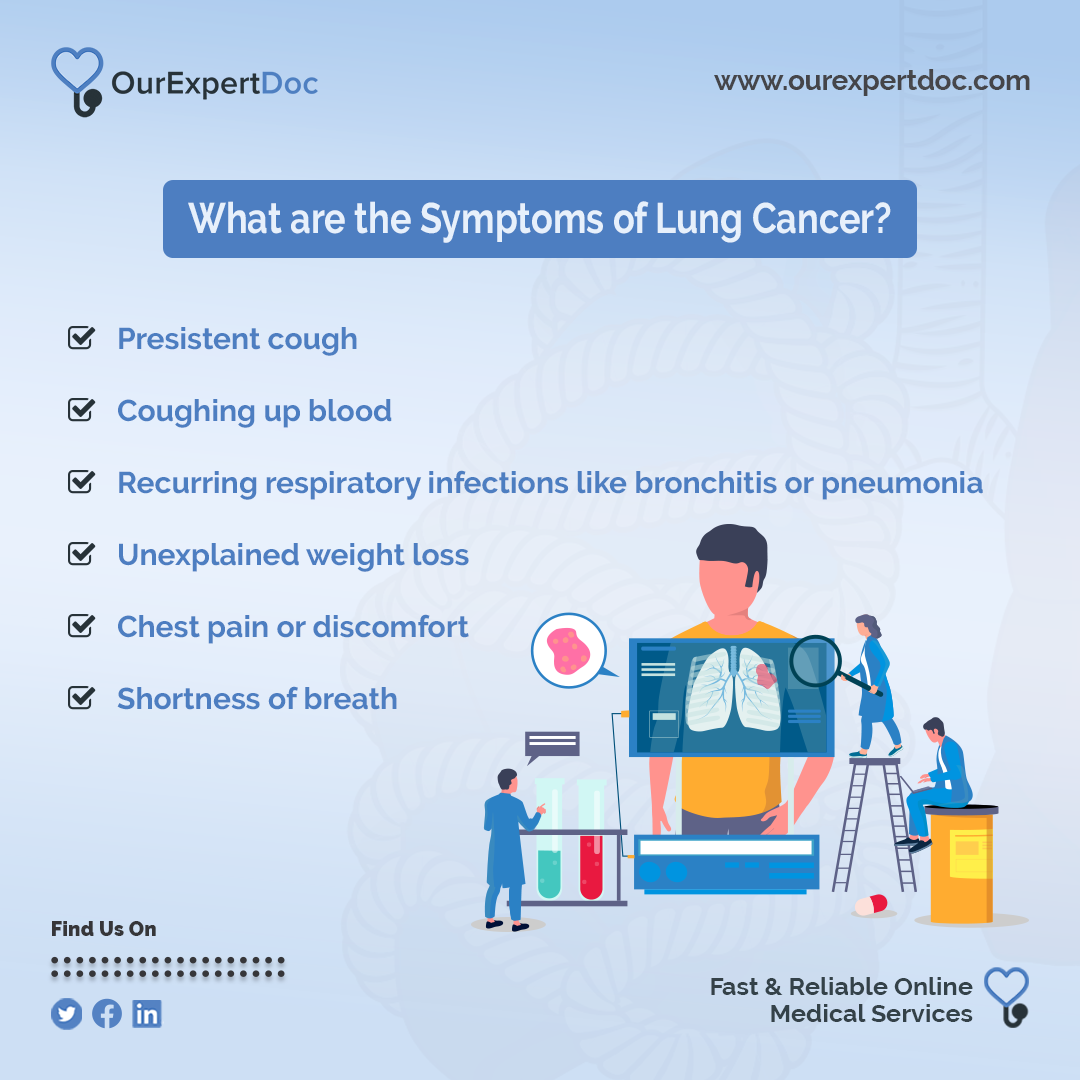
Persistent cough that worsens over time.
Shortness of breath or wheezing.
Chest pain or discomfort.
Coughing up blood.
Unexplained weight loss and fatigue.
Diagnosis
Imaging Tests:
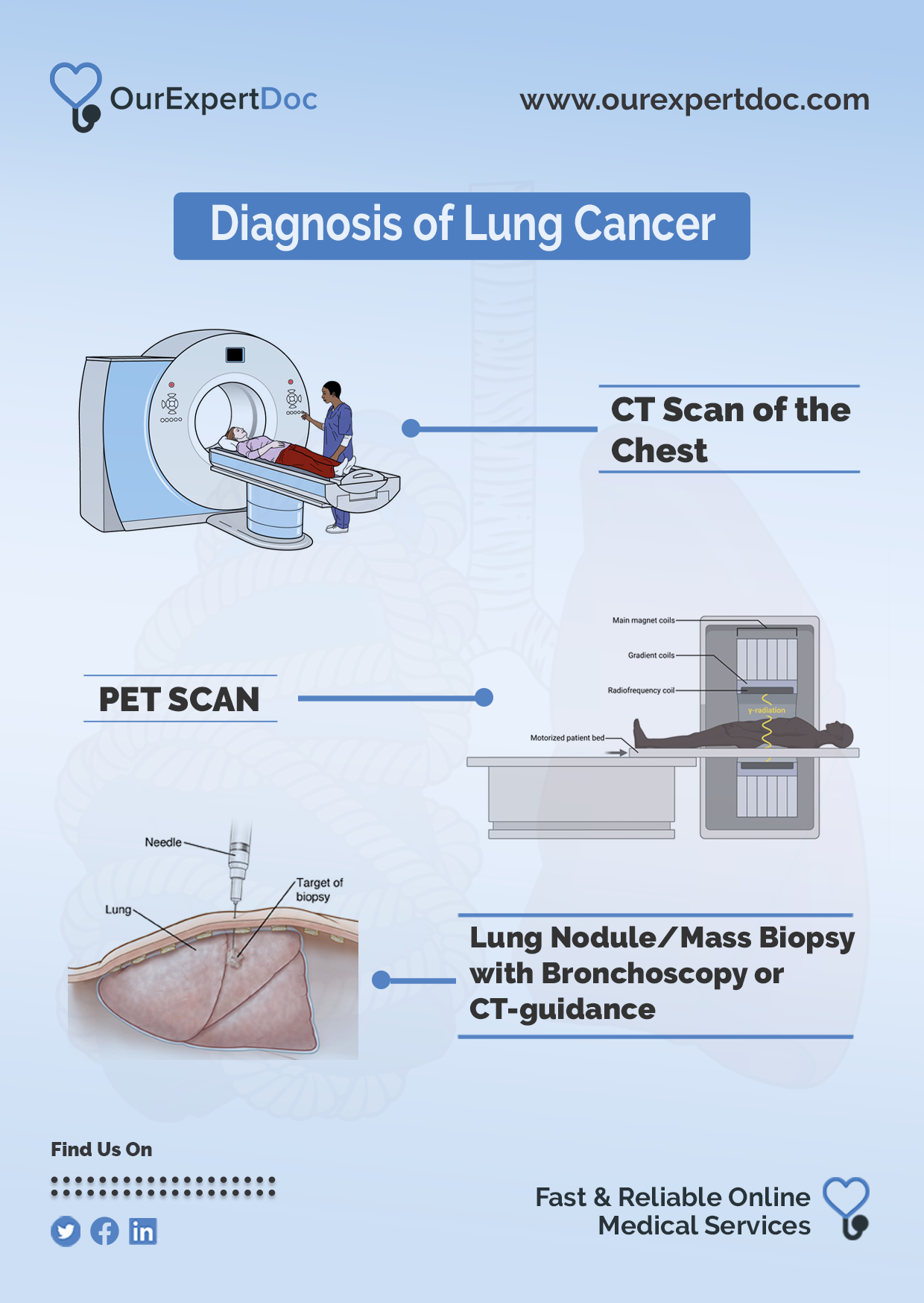
Chest X-rays and CT scans help detect abnormalities.
Biopsy:
A sample of tissue is taken via bronchoscopy or needle biopsy for confirmation.
Molecular Testing:
Identifies specific genetic mutations to guide targeted therapy.
Treatment
Surgery:
Removal of the tumor or affected lung tissue (lobectomy or pneumonectomy).
Radiation Therapy:
High-energy beams target and kill cancer cells.
Chemotherapy:
Drugs are used to shrink or eliminate cancer cells, often for advanced stages.
Targeted Therapy:
Drugs like EGFR or ALK inhibitors attack specific mutations in cancer cells.
Immunotherapy:
Boosts the immune system to fight cancer.
Screening
Annual low-dose CT scans (LDCT) are recommended for high-risk individuals, such as long-term smokers or those with a family history of lung cancer.
Screening is essential for detecting cancer at an early, more treatable stage.
Prevention
Quit smoking and avoid secondhand smoke exposure.
Test your home for radon gas.
Reduce exposure to known carcinogens in the workplace.
Maintain a healthy lifestyle, including regular exercise and a balanced diet rich in fruits and vegetables.
Early detection and timely treatment can significantly improve survival rates in lung cancer patients. Avoiding risk factors like smoking is key to prevention.