
Breast Cancer: Symptoms, Diagnosis, and Treatment Options
Breast Cancer
Reviewed by Kamran Mahmood, MD, MPH, Associate Professor of Medicine, Duke University Medical Center, Board Certified in Pulmonology & Critical Care.
Breast cancer is the most common cancer in women worldwide and a leading cause of cancer-related deaths. It develops when abnormal cells grow uncontrollably in the breast tissue, forming a tumor.
Why Breast Cancer is Common
Breast cancer is prevalent due to hormonal factors, genetic predispositions, and lifestyle influences. Increased awareness and advancements in screening have also led to more frequent diagnoses.
Types of Breast Cancer
Invasive Ductal Carcinoma (IDC):
The most common type, originating in the milk ducts and spreading to surrounding tissues.
Lobular Carcinoma:
Begins in the milk-producing glands (lobules) and may spread to other parts of the body.
Common Risk Factors
Family history of breast cancer.
Genetic mutations (e.g., BRCA1 and BRCA2).
Hormonal factors like prolonged estrogen exposure (early menstruation or late menopause).
Lifestyle factors such as obesity, alcohol consumption, and lack of physical activity.
Early Symptoms
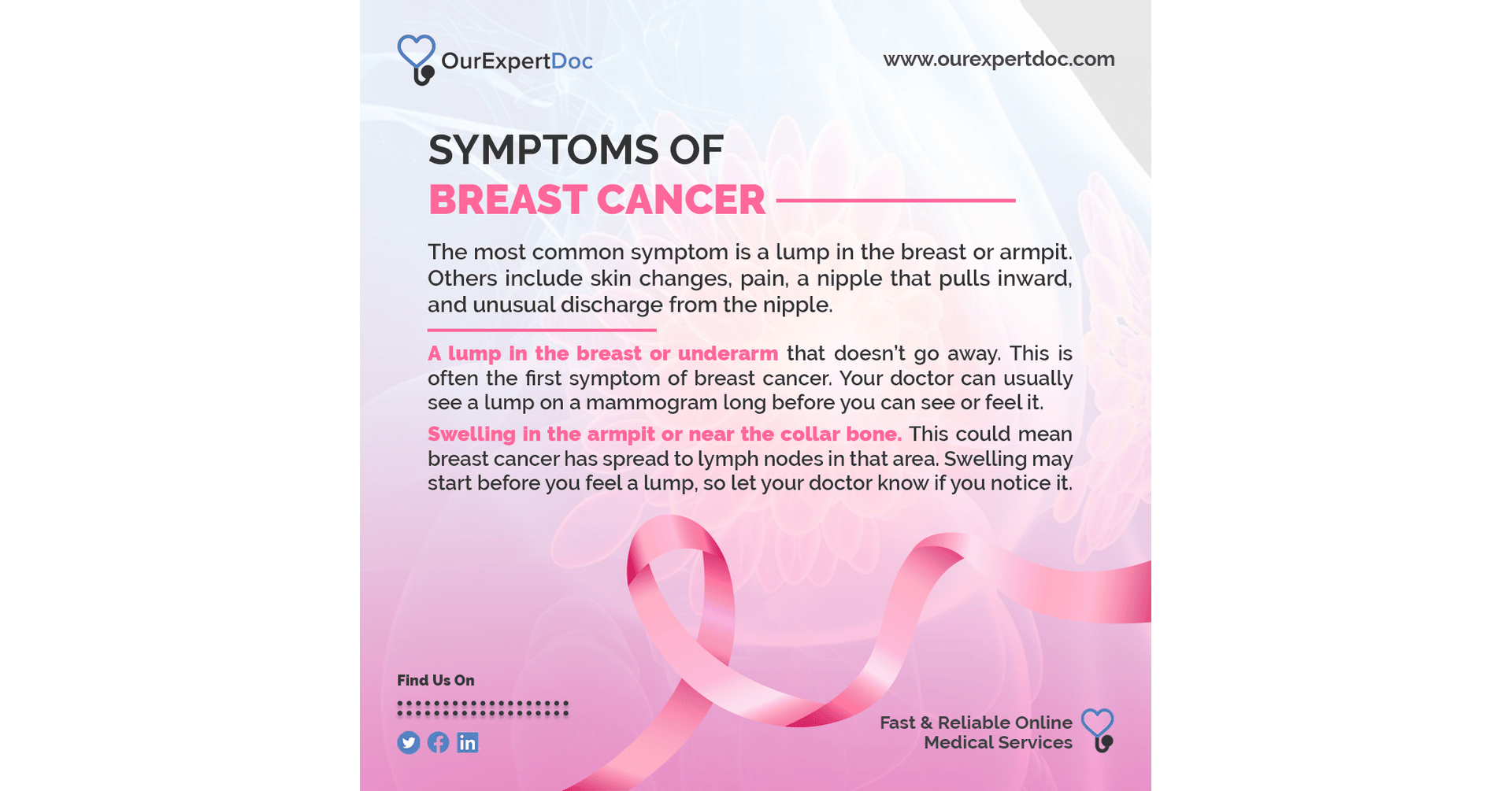
A lump or thickening in the breast or underarm.
Changes in breast size or shape.
Skin dimpling or redness on the breast.
Nipple discharge, especially blood-stained.
Diagnosis
Mammography:
A specialized X-ray for detecting abnormalities.
Ultrasound or MRI:
Used for further evaluation of suspicious areas.
Biopsy:
A sample of tissue is taken for confirmation of cancer.
Treatment
Surgery:
Lumpectomy (removing the tumor) or mastectomy (removing the entire breast).
Radiation Therapy:
To destroy remaining cancer cells after surgery.
Chemotherapy:
To shrink tumors or eliminate cancer cells throughout the body.
Hormone Therapy:
For cancers sensitive to hormones like estrogen.
Targeted Therapy:
Drugs designed to attack specific cancer cells (e.g., HER2-positive cancers).
Screening
Regular mammograms are recommended for women aged 40 and above, or earlier for those with a family history.
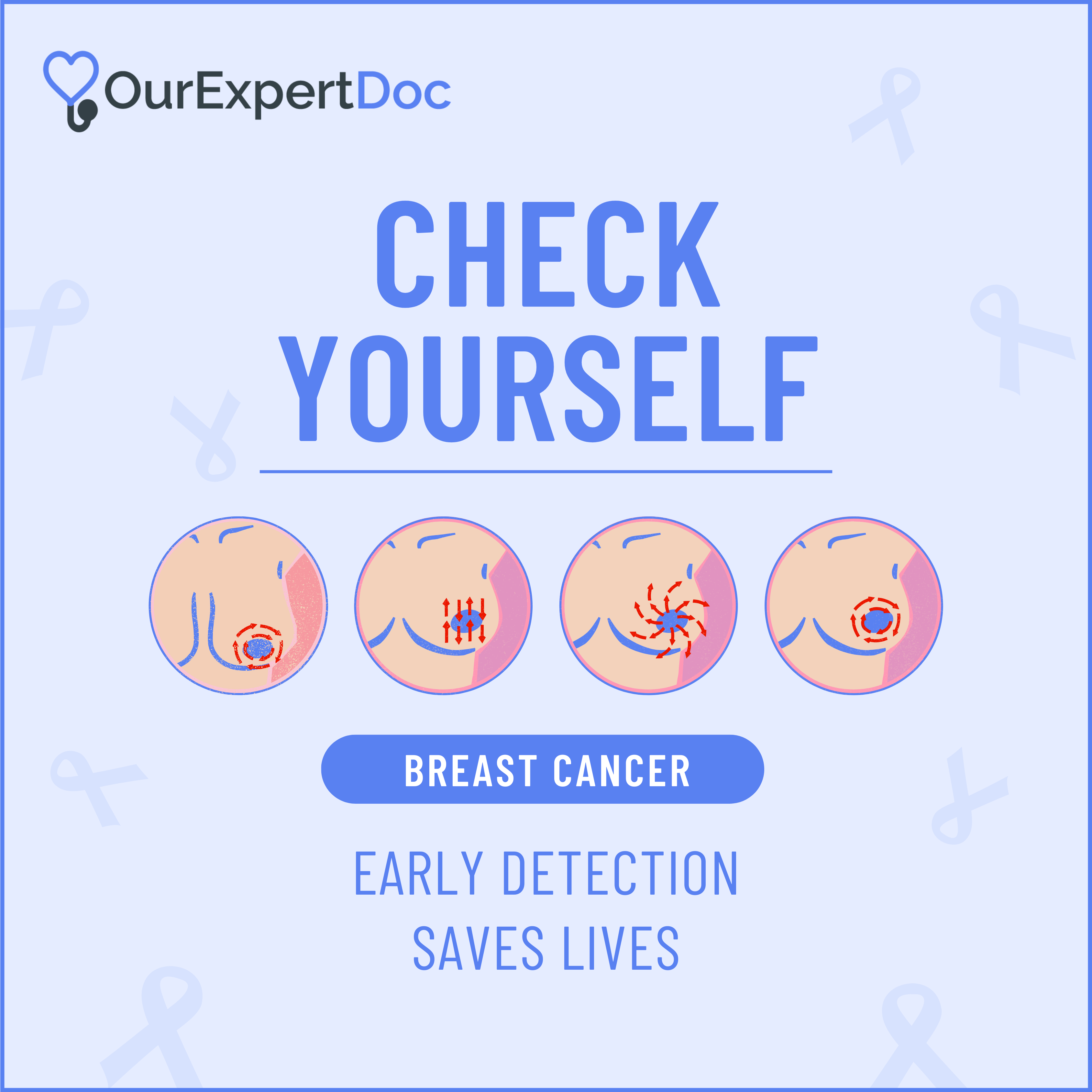
Clinical breast exams and self-exams can help detect changes early.
Prevention
Maintain a healthy weight through a balanced diet and exercise.
Limit alcohol consumption.
Breastfeed, if possible, as it lowers risk.
Discuss genetic testing if you have a family history of breast cancer.
Early detection and proactive care can significantly improve survival rates for breast cancer patients.
You may also like to read