
Urinary Bladder Cancer: Recognize the Signs, Act Early, and Explore Treatment Options
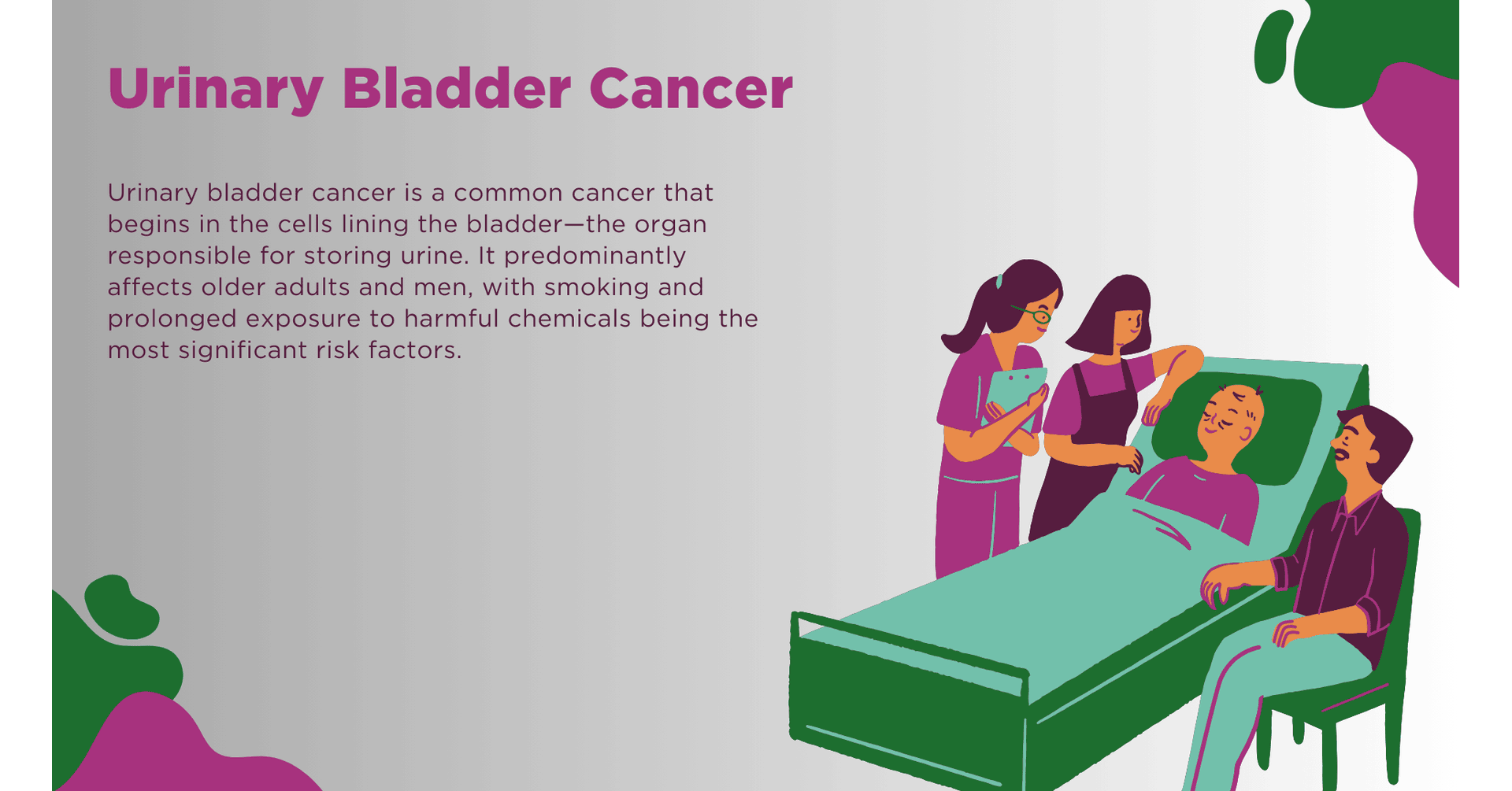
Urinary Bladder Cancer
Reviewed by Kamran Mahmood, MD, MPH, Associate Professor of Medicine, Duke University Medical Center, Board Certified in Pulmonology & Critical Care.
Urinary bladder cancer is a common cancer that begins in the cells lining the bladder—the organ responsible for storing urine. It predominantly affects older adults and men, with smoking and prolonged exposure to harmful chemicals being the most significant risk factors. Early detection is crucial, as bladder cancer often presents with blood in the urine or frequent urination, which should never be ignored. Understanding the symptoms, diagnosis, and treatment options can empower individuals to seek timely medical care.
Symptoms of Bladder Cancer
Blood in the urine (hematuria), often visible or detected through tests.
Frequent urination or a strong urge to urinate.
Pain or burning sensation during urination.
Lower abdominal or back pain in advanced stages.
Diagnosis
Urine Tests
Cytology to detect cancer cells in urine or biomarker tests for bladder cancer.
Cystoscopy
A thin tube with a camera is inserted into the bladder to look for abnormalities.
Biopsy
Tissue samples are taken during cystoscopy for confirmation.
Imaging Tests
CT urograms, MRIs, or ultrasounds provide detailed views of the bladder and surrounding tissues.
Treatment
Surgery
Transurethral Resection (TURBT):
Removes superficial tumors.
Cystectomy:
Partial or total removal of the bladder in advanced cases.
Intravesical Therapy
Medications are directly delivered into the bladder to treat early-stage cancer.
Chemotherapy
Systemic or intravesical chemo targets cancer cells.
Immunotherapy
Uses drugs like BCG (Bacillus Calmette-Guérin) to boost the immune system against cancer.
Radiation Therapy
An option for patients who cannot undergo surgery.
Screening
Routine screening is not standard for bladder cancer.
High-risk individuals, such as smokers or workers exposed to industrial chemicals, may benefit from periodic urine tests and cystoscopy.
Prevention
Quit smoking, as it significantly increases bladder cancer risk.
Minimize exposure to harmful chemicals in the workplace by following safety guidelines.
Stay hydrated; drinking plenty of water may reduce risk by flushing toxins from the bladder.
Maintain a balanced diet rich in fruits and vegetables to support overall health.
Early detection and prompt treatment of urinary bladder cancer can improve outcomes, making awareness and regular medical evaluations critical.
You may also like to read about