
Leukemia symptoms diagnosis treatment and prevention guide
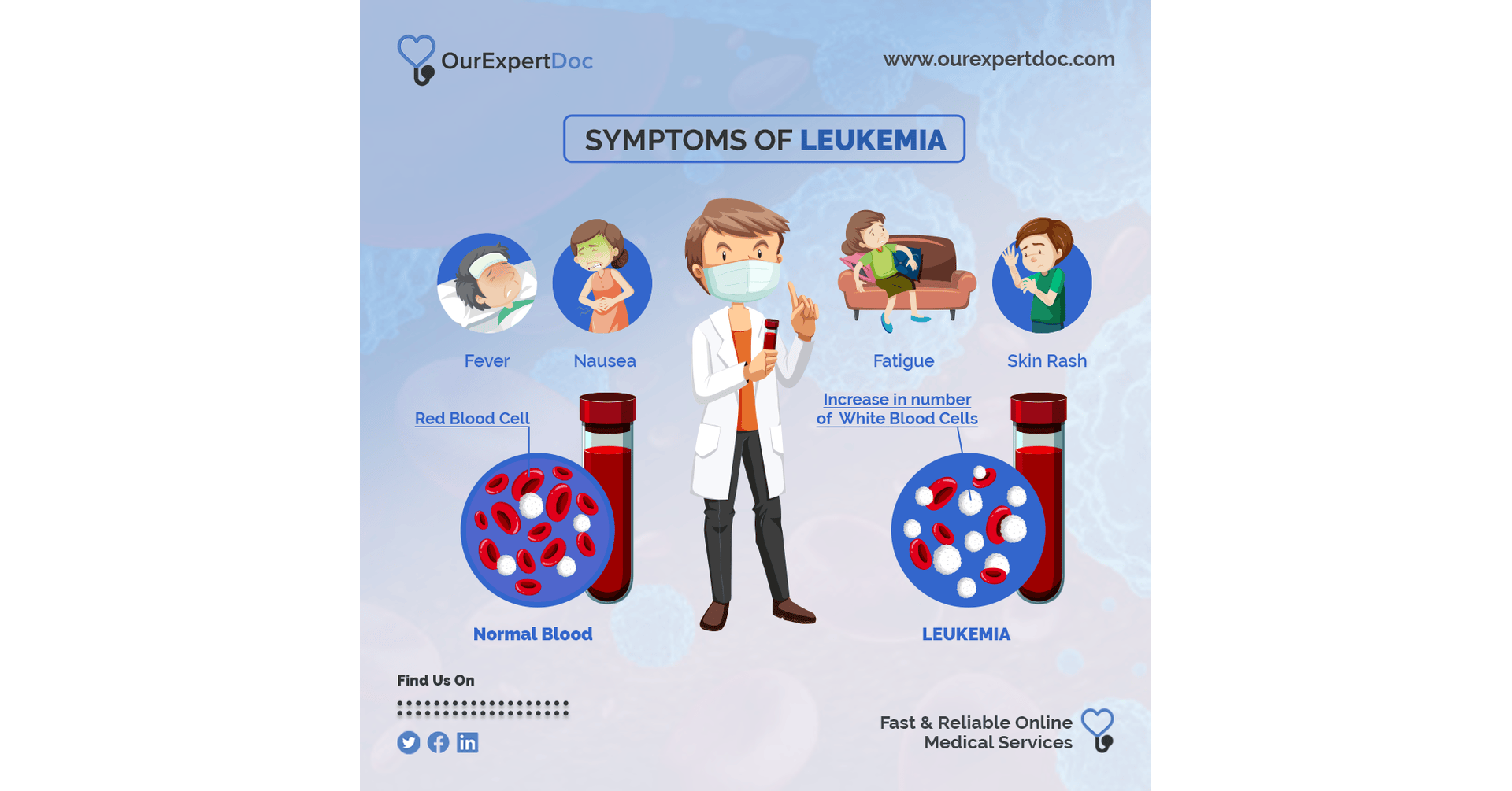
Leukemia
Reviewed by Kamran Mahmood, MD, MPH, Associate Professor of Medicine, Duke University Medical Center, Board Certified in Pulmonology & Critical Care.
Leukemia is a blood cancer that originates in the bone marrow, leading to the uncontrolled growth of abnormal white blood cells. These cancerous cells disrupt the production of healthy blood cells, weakening the immune system, oxygen transport, and blood clotting. Leukemia can develop suddenly (acute) or progress gradually (chronic), affecting both children and adults. Understanding its early symptoms, risk factors, and available treatments is crucial for early detection and better outcomes.
Types of Leukemia
Acute Lymphocytic Leukemia (ALL)
Common in children, progresses rapidly if untreated.
Chronic Myeloid Leukemia (CML)
Affects adults more often and progresses slowly at first.
Other types include acute myeloid leukemia (AML) and chronic lymphocytic leukemia (CLL).
Symptoms
Persistent fatigue and weakness.
Frequent infections and fevers.
Easy bruising or prolonged bleeding.
Bone pain and tenderness.
Swollen lymph nodes, liver, or spleen.
Diagnosis
Blood Tests:
Detect abnormal white blood cell counts or low levels of red blood cells and platelets.
Bone Marrow Biopsy:
Confirms leukemia and identifies its type.
Cytogenetic Tests:
Analyze chromosomes for specific changes linked to leukemia.
Treatment
Chemotherapy:
The primary treatment, targeting rapidly growing cancer cells.
Targeted Therapy:
Focuses on genes or proteins specific to leukemia cells.
Radiation Therapy:
Used to kill cancer cells or prepare for a stem cell transplant.
Stem Cell Transplant:
Replaces damaged bone marrow with healthy donor cells.
Screening
Routine blood tests during health check-ups may help identify leukemia early in asymptomatic individuals.
Prevention
Although leukemia cannot be fully prevented, you can reduce risk by:
Avoiding exposure to high doses of radiation or benzene.
Avoiding smoking, which increases the risk of certain types of leukemia.
Maintaining a healthy lifestyle to support overall immune function.
Advancements in treatment have improved survival rates, making early diagnosis and specialized care critical for managing leukemia.
You may also like to read about