
Sarcoma Cancer: Symptoms, Diagnosis, Treatment, and Prevention Guide
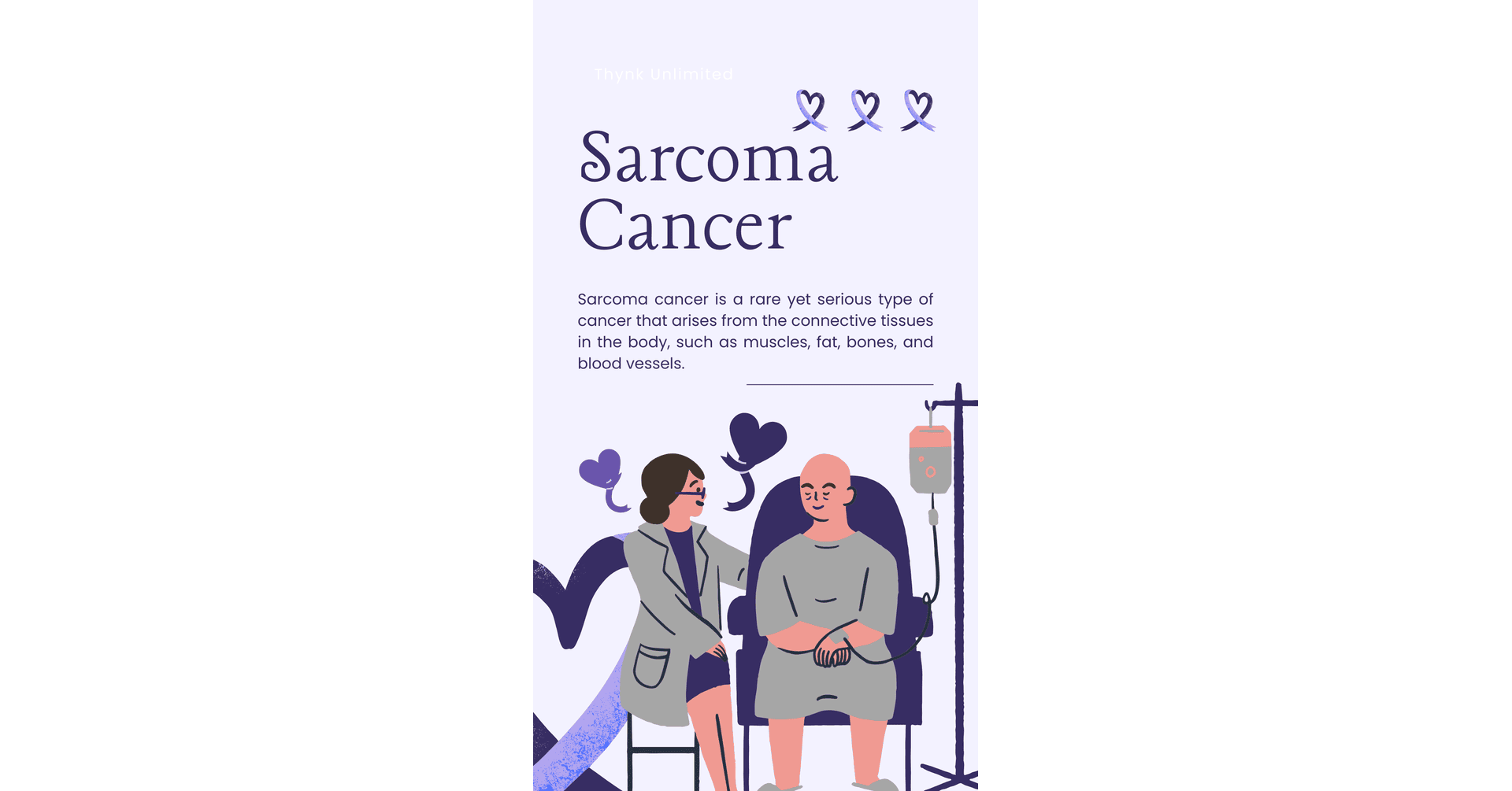
Sarcoma Cancer
Reviewed by Kamran Mahmood, MD, MPH, Associate Professor of Medicine, Duke University Medical Center, Board Certified in Pulmonology & Critical Care.
Sarcoma cancer is a rare yet serious type of cancer that arises from the connective tissues in the body, such as muscles, fat, bones, and blood vessels. Unlike more common cancers, sarcomas can develop almost anywhere in the body and are often difficult to detect early due to their subtle symptoms. They are broadly classified into two main types "soft tissue sarcomas and bone sarcomas (osteosarcoma)". Early diagnosis and specialized treatment are critical to improving outcomes, especially since sarcoma symptoms can easily be mistaken for benign conditions. If you or a loved one experiences unusual lumps, persistent bone pain, or unexplained weight loss, seeking a second medical opinion or online medical consultation from a specialist is essential.
Types of Sarcoma
Sarcomas are broadly categorized into two main types:
1. Soft Tissue Sarcomas
These develop in the connective tissues of the body. Common subtypes include:
Liposarcoma: Affects fat cells.
Leiomyosarcoma: Arises from smooth muscle tissue.
Synovial Sarcoma: Occurs near joints and tendons.
Angiosarcoma: Forms in blood or lymph vessels.
Rhabdomyosarcoma: Common in children, develops in skeletal muscle tissue.
2. Bone Sarcomas
These originate in the bones and include:
Osteosarcoma: The most common bone cancer, primarily affecting teenagers.
Ewing Sarcoma: Usually occurs in bones or soft tissue around them.
Chondrosarcoma: Develops in cartilage cells, typically in adults.
Causes and Risk Factors
The exact cause of sarcoma is unclear, but several factors increase the risk:
Genetic disorders: Conditions like Li-Fraumeni syndrome and neurofibromatosis.
Radiation exposure: Previous radiation therapy for other cancers.
Chemical exposure: Prolonged exposure to herbicides or industrial chemicals.
Chronic swelling (lymphedema): Persistent fluid buildup increases the risk of angiosarcoma.
Viral infections: Certain viruses, such as human herpesvirus 8 (HHV-8), may contribute to sarcoma development.
Symptoms of Sarcoma
A noticeable lump or swelling, often painless at first.
Persistent pain in bones or joints, especially at night.
Difficulty moving or restricted range of motion if the sarcoma is near a joint.
Unexplained weight loss and fatigue (in advanced cases).
Fractures without significant trauma, indicating weakened bones.
Diagnosis
Imaging Tests:
X-rays: Detect abnormalities in bones.
MRI or CT Scans: Identify the size, location, and extent of soft tissue sarcomas.
PET Scans: Used to detect metastasis.
Biopsy: A sample of the tumor is taken for histological analysis to confirm the type of sarcoma.
Blood Tests: May help rule out other conditions or assess overall health before treatment.
Early and accurate diagnosis is crucial for better outcomes. If you are experiencing persistent symptoms, consider an online medical consultation or a second medical opinion to discuss your condition with specialists.
Sarcoma Staging
Sarcomas are staged using the TNM system:
T (Tumor Size): How large is the tumor?
N (Node Involvement): Has cancer spread to lymph nodes?
M (Metastasis): Has it spread to other body parts?
Stages range from Stage I (localized, small tumors) to Stage IV (advanced cancer with metastasis).
Treatment Options
Sarcoma treatment depends on the type, location, and stage of cancer. Common treatments include:
1. Surgery
Wide Excision: Removing the tumor and some surrounding healthy tissue.
Limb-Sparing Surgery: Preserving the limb while removing the tumor.
Amputation: In severe cases where limb preservation isn’t possible.
2. Radiation Therapy
External Beam Radiation: Targets the tumor before or after surgery.
Brachytherapy: Internal radiation placed near the tumor.
3. Chemotherapy
Often used for aggressive sarcomas like Ewing sarcoma.
Can be combined with surgery or radiation for better outcomes.
4. Targeted Therapy & Immunotherapy
Targeted Therapy: Uses drugs like pazopanib to block cancer growth.
Immunotherapy: Boosts the immune system to fight cancer cells.
Prognosis and Survival Rates
The prognosis varies based on the sarcoma type, stage, and response to treatment. General survival rates include:
Localized sarcoma: 5-year survival rate of 70-90%.
Regional spread: 50-60% survival rate.
Distant metastasis: Around 15-30% survival rate.
Early detection and a multidisciplinary treatment approach improve outcomes significantly.
Screening
No standard screening protocols exist for sarcomas due to their rarity.
Individuals with genetic conditions like Li-Fraumeni syndrome or a family history of sarcomas should undergo regular health monitoring.
Prevention
While sarcoma prevention is challenging, consider these steps to reduce risk:
Avoid unnecessary exposure to radiation.
Maintain a healthy lifestyle to reduce the risk of other cancers that could metastasize to connective tissues.
Be vigilant about new or unusual lumps and consult a doctor promptly.
Sarcoma awareness and early diagnosis significantly improve treatment outcomes. Because sarcomas can mimic benign conditions, it’s crucial to consult a specialist for persistent or suspicious symptoms.
Frequently Asked Questions (FAQs) About Sarcoma Cancer
1. What is the survival rate of sarcoma cancer?
The survival rate of sarcoma cancer varies depending on the type, stage, and location of the tumor. On average:
The 5-year survival rate for localized sarcomas (cancer that has not spread) is around 81%
If the cancer has spread to nearby tissues or lymph nodes, the survival rate drops to 58%
For metastatic sarcoma (cancer that has spread to distant organs), the survival rate is about 16%
Early detection and treatment significantly improve survival chances.
2. Is sarcoma cancer hereditary?
Most sarcomas are not hereditary. However, some genetic conditions, like Li-Fraumeni syndrome, neurofibromatosis type 1, and retinoblastoma, can increase the risk of developing sarcoma. If there is a family history of sarcoma, genetic testing may be recommended.
3. How rare is sarcoma cancer?
Sarcoma is considered rare, accounting for only about 1% of all adult cancers and 15% of childhood cancers. There are over 70 different types of sarcomas, and they can develop in bones or soft tissues, making them difficult to diagnose early.
4. Is sarcoma cancer treatable?
Yes, sarcoma is treatable, especially when detected early. Treatment options may include:
Surgery (to remove the tumor)
Radiation therapy (to shrink or destroy cancer cells)
Chemotherapy (for aggressive or advanced cases)
Targeted therapy and immunotherapy (depending on the type and stage)
A multidisciplinary approach involving oncologists, surgeons, and radiation specialists improves treatment success.
5. Is sarcoma cancer deadly?
Sarcoma can be deadly, but early diagnosis and treatment improve survival rates. The prognosis depends on factors like tumor size, location, spread, and response to treatment. Localized sarcomas have a high survival rate, while metastatic sarcomas are more challenging to treat. Regular check-ups and early intervention are crucial for better outcomes.
Need expert advice? Schedule an online consultation with a sarcoma specialist today!
You may also like to read to about