
Living with Congestive Heart Failure
Reviewed by Kamran Mahmood, MD, MPH, Associate Professor of Medicine, Duke University Medical Center, Board Certified in Pulmonology & Critical Care.
How long can you live with congestive heart failure?
The short answer: Many people live for years after a heart failure diagnosis, and some live longer than a decade. There is no fixed timeline. Life expectancy depends on the type and stage of heart failure, age, ejection fraction, kidney function, other health conditions and how well treatment controls the condition.
A diagnosis of congestive heart failure does not mean the heart is about to stop. It means the heart has trouble pumping or filling well enough to meet the body’s needs. The outlook can differ greatly between someone with mild, stable symptoms and someone with advanced heart failure who has repeated hospital stays.
Treatment can improve heart function, reduce fluid buildup, ease breathlessness and lower the chance of hospitalization. A cardiologist estimates a person’s outlook by reviewing symptoms, test results, daily activity, medical history and response to treatment.
This guide explains how heart failure stages and NYHA classes differ, which factors affect survival, what advanced heart failure may look like and which treatments may improve long-term outcomes.
What is Congestive Heart Failure (CHF)?
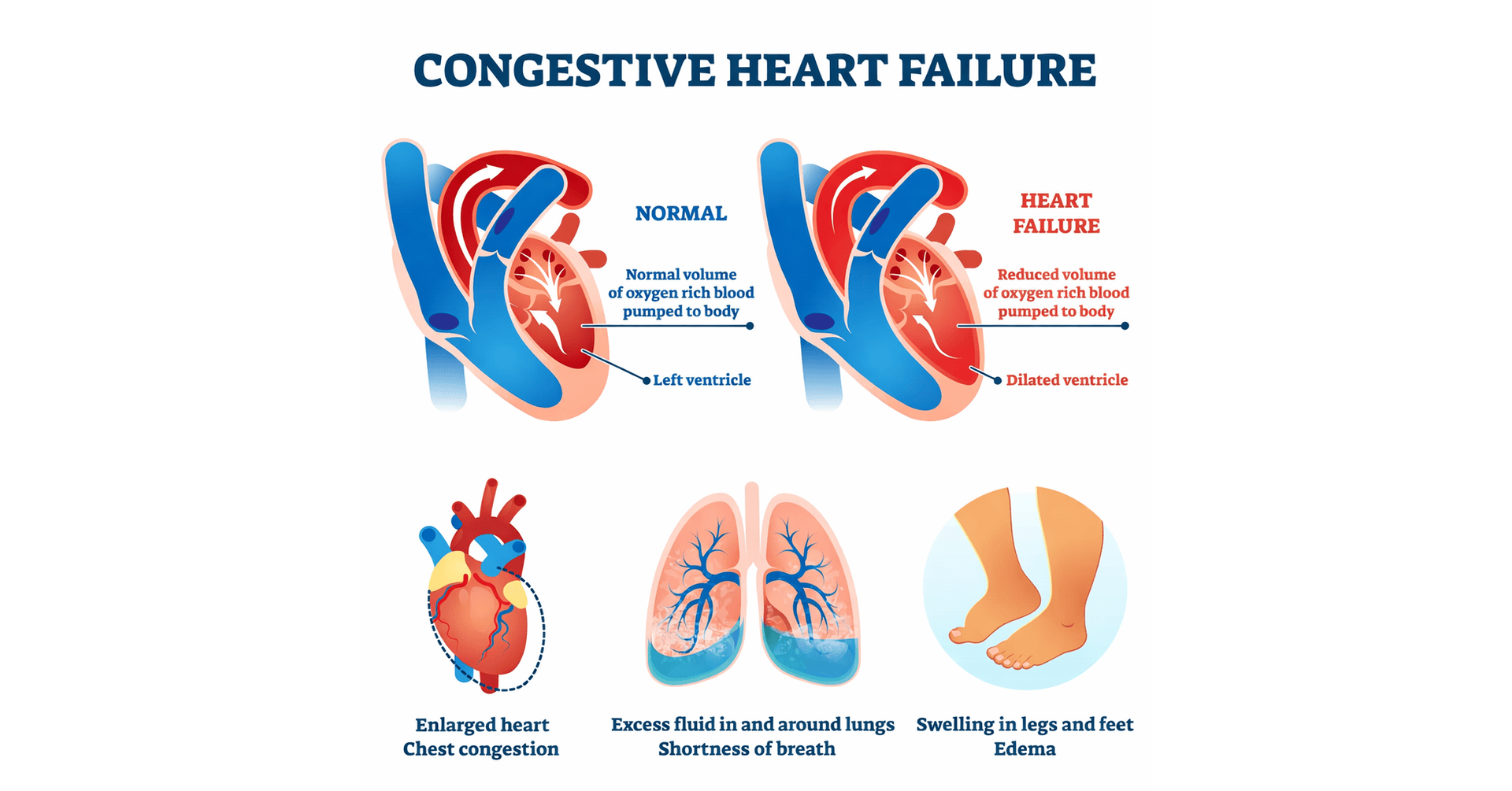
Congestive heart failure, often shortened to CHF, is a long-term condition in which the heart cannot pump or fill with blood well enough to meet the body’s needs. Heart failure does not mean that the heart has stopped beating.
The word “congestive” refers to fluid buildup caused by changes in blood flow and pressure. Fluid may collect in the lungs, legs, ankles or abdomen. This can cause shortness of breath, swelling, fatigue, coughing, rapid weight gain and difficulty with everyday activities.
Heart failure may develop when the heart muscle becomes weak, stiff or damaged. Common causes include coronary artery disease, a previous heart attack, high blood pressure, heart valve disease, cardiomyopathy, congenital heart disease and an irregular heartbeat.
Types of Heart Failure
Heart failure with reduced ejection fraction, or HFrEF
The left ventricle does not contract strongly enough. The ejection fraction is usually 40% or lower.
Heart failure with mildly reduced ejection fraction, or HFmrEF
The ejection fraction usually falls between 41% and 49%, along with other evidence of impaired heart function.
Heart failure with preserved ejection fraction, or HFpEF
The heart contracts normally or close to normally but remains too stiff to fill properly. The ejection fraction is usually 50% or higher.
Left-sided heart failure
The left side cannot move oxygen-rich blood to the body as well as it should. Fluid can back up into the lungs.
Right-sided heart failure
The right side cannot move blood through the lungs properly. Fluid often collects in the legs, ankles, abdomen or neck veins.
The type, cause and severity of heart failure all affect symptoms, treatment choices and prognosis. A single label such as CHF cannot predict how long one person will live.
Heart Failure Life Expectancy at a Glance
Heart failure survival statistics describe groups of patients, not the future of one individual. Study results vary because the participants differ in age, type of heart failure, treatment era, other medical conditions and whether they were diagnosed in a clinic or after a hospital admission.
A large United Kingdom population study of adults aged 45 and older reported survival of about 81% at one year, 48% at five years and 26% at ten years for people diagnosed in the more recent years covered by the study. People who did not require a hospital admission around diagnosis had longer median survival than those who did. These figures should not be used as a personal countdown because modern treatment, individual health and disease severity can change the outlook.
Someone with stable symptoms, preserved kidney function and a good response to treatment may live much longer than a person with advanced heart failure, repeated hospital stays and worsening organ function. The treating cardiologist is best placed to discuss an individual prognosis.
Heart Failure Stages A Through D
The American College of Cardiology and American Heart Association use four stages to describe the development and progression of heart failure. These stages move from risk to advanced disease. A person does not move backward to an earlier stage, even when symptoms and heart function improve.
Stage A: At Risk for Heart Failure
Stage A includes people who have risk factors for heart failure but do not have symptoms or structural heart disease. These risk factors may include high blood pressure, diabetes, obesity, coronary artery disease, exposure to heart-damaging treatments or a family history of cardiomyopathy.
Stage B: Pre-Heart Failure
Stage B means that changes affecting the heart are present, but heart-failure symptoms have not developed. These changes may include reduced ejection fraction, heart enlargement, valve disease, increased filling pressure or evidence of heart-muscle injury.
Stage C: Symptomatic Heart Failure
Stage C includes people with structural heart disease and current or previous heart-failure symptoms. Common symptoms include shortness of breath, fatigue, swelling, coughing and reduced ability to complete physical activities.
Stage D: Advanced Heart Failure
Stage D is advanced heart failure. Symptoms interfere with daily activities, remain difficult to control and may lead to repeated hospital stays despite treatment. A heart-failure specialist may assess whether advanced therapies or symptom-focused care could help.
Does Heart Failure Stage Determine Life Expectancy?
Stage gives useful context, but it does not provide a fixed survival time. Stage A and Stage B describe risk or structural change before symptoms develop. Stage C covers a wide range, from well-controlled symptoms to frequent flare-ups. Stage D describes advanced disease and usually carries a less favorable outlook.
Within the same stage, two people may have very different health, heart function and treatment responses. Doctors also consider NYHA class, ejection fraction, blood pressure, kidney and liver function, natriuretic peptide levels, rhythm problems and recent hospital stays.
NYHA Classes I Through IV
The New York Heart Association functional classification describes how much heart-failure symptoms limit physical activity. It is commonly assigned to people with Stage C or Stage D heart failure. Unlike ACC/AHA stages, NYHA class may improve or worsen as symptoms change.
Class I
Patients with cardiac disease but without resulting limitations of physical activity. Ordinary physical activity does not cause undue fatigue, palpitation, dyspnea, or anginal pain.
Class II
Patients with cardiac disease resulting in slight limitation of physical activity. They are comfortable at rest. Ordinary physical activity results in fatigue, palpitation, dyspnea, or anginal pain.
Class III
Patients with cardiac disease resulting in marked limitation of physical activity. They are comfortable at rest. Less-than-ordinary physical activity causes fatigue, palpitation, dyspnea, or anginal pain.
Class IV
Patients with cardiac disease resulting in inability to carry on any physical activity without discomfort. Symptoms of cardiac insufficiency or anginal syndrome may be present even at rest. If any physical activity is undertaken, discomfort is increased.
Source: New York Heart Association (NYHA) — www.heart.org
Is There a Stage 5 Heart Failure?
There is no Stage 5 in the standard ACC/AHA heart-failure staging system. The recognized stages are A, B, C and D. The NYHA system uses Classes I, II, III and IV.
People sometimes use “Stage 5 heart failure” when they mean end-stage or advanced heart failure. Clinicians usually call this Stage D heart failure or NYHA Class IV when severe symptoms occur at rest. Stage 5 can also be confused with Stage 5 chronic kidney disease, which may occur alongside heart failure and can worsen the overall outlook.
Life Expectancy in Early and Advanced Heart Failure
Early or Stable Heart Failure
People with early structural changes or stable symptoms may live for many years, especially when the cause is treated and risk factors are controlled. Some people experience improved heart function or a period of remission after receiving suitable therapy. Regular follow-up still matters because heart failure can progress even when symptoms are mild.
Stage C Heart Failure
Stage C includes anyone with structural heart disease and current or previous symptoms. The range is broad. One person may have mild breathlessness that responds well to treatment, while another may need repeated treatment changes or hospital care. A stage label cannot give a reliable number of remaining years without the rest of the clinical picture.
Stage D or Advanced Heart Failure
Stage D heart failure causes severe symptoms that interfere with daily life and remain difficult to control despite treatment. People may experience breathlessness at rest, repeated hospital admissions, low blood pressure, worsening kidney or liver function, poor appetite, weight loss and severe fatigue.
Advanced heart failure carries a higher risk of death, but treatment choices remain. Depending on the person’s health and goals, a heart-failure team may discuss medication adjustment, an implantable device, a left ventricular assist device, heart transplant assessment, symptom-focused care or palliative care alongside active cardiac treatment.
How Age Affects Heart Failure Life Expectancy
Older age is associated with a higher risk of complications and death in heart failure, but age alone does not decide the outcome. Two people of the same age can have very different levels of fitness, frailty, kidney function, heart function and treatment tolerance.
Younger adults may have a longer expected survival because they often have fewer illnesses and may tolerate advanced treatments more easily. Their prognosis still depends on the cause. Genetic cardiomyopathy, congenital heart disease, severe valve disease or a large heart attack can cause serious heart failure at a younger age.
In older adults, doctors assess mobility, falls, memory, nutrition, kidney function, lung disease, diabetes and the number of medicines being taken. The care plan may focus on both survival and the ability to stay independent, avoid hospital stays and maintain comfort.
Online life-expectancy tables by age cannot account for these differences. A cardiologist can give a more meaningful estimate after reviewing the person’s recent course and test results.
Left-Sided vs Right-Sided Heart Failure Life Expectancy
Left-Sided Heart Failure
Left-sided heart failure affects the heart’s ability to pump blood to the body or fill between beats. It may cause breathlessness, fatigue, coughing and fluid in the lungs. Prognosis depends on whether the person has HFrEF, HFmrEF or HFpEF, the underlying cause and how well treatment controls symptoms and hospitalizations.
Right-Sided Heart Failure
Right-sided heart failure reduces the heart’s ability to move blood through the lungs. It may cause swelling in the legs and abdomen, liver congestion, weight gain and reduced appetite. Common causes include left-sided heart failure, pulmonary hypertension, lung disease, valve disease and right ventricular damage.
Right-sided heart failure does not have one standard life expectancy. Outlook depends on right ventricular function, pulmonary artery pressure, the cause of the condition, kidney and liver involvement, and response to treatment. Severe pulmonary hypertension or progressive organ dysfunction may worsen prognosis.
Factors That Affect Heart Failure Prognosis
Doctors combine several findings when discussing outlook. No single test can predict survival accurately for every person.
Heart-failure stage and NYHA class: Advanced stage and symptoms at rest generally indicate a higher risk.
Age and frailty: Reduced strength, mobility, nutrition and independence can affect recovery and treatment tolerance.
Ejection fraction and heart structure: Pumping strength, chamber size, valve disease and right ventricular function help define the type and severity of heart failure.
Kidney and liver function: These organs may be affected by low blood flow, fluid congestion and some treatments.
Natriuretic peptide levels: BNP or NT-proBNP can reflect pressure and strain on the heart when interpreted with the full clinical picture.
Cause of heart failure: High blood pressure, coronary artery disease, valve disease, cardiomyopathy and rhythm disorders may have different treatment paths.
Other medical conditions: Diabetes, lung disease, anemia, cancer, sleep apnea and atrial fibrillation may affect symptoms and outcomes.
Hospitalization history: Repeated or recent admissions can signal unstable or advanced disease.
Response to treatment: Improved symptoms, stable blood pressure, fewer admissions and better exercise tolerance may point to better disease control.
Access and adherence: Follow-up, access to prescribed medicine, social support, diet and daily symptom monitoring can affect how well the condition is managed.
Does Ejection Fraction Predict Survival?
Ejection fraction measures the percentage of blood pushed out of the left ventricle with each contraction. It helps classify heart failure and guide treatment, but it cannot predict life expectancy on its own.
A low ejection fraction may improve after treatment, especially when the underlying cause responds to therapy. A preserved ejection fraction does not mean heart failure is mild. People with HFpEF can still have severe symptoms, hospitalizations and other conditions that affect survival.
Doctors interpret ejection fraction with symptoms, heart size, valve function, blood pressure, right ventricular function, laboratory results and the pattern of hospital admissions. Changes over time may be more useful than one measurement.
Symptoms That May Show Heart Failure Is Getting Worse
New or worsening symptoms should be reported to the treating team. A clinician may need to adjust medicines, check blood tests or assess whether fluid is building up.
More breathlessness during activity or while lying flat
Waking at night short of breath or needing more pillows
New or increasing swelling in the feet, legs or abdomen
Rapid weight gain over a short period
A persistent dry cough or wheezing
Increasing fatigue, weakness or reduced ability to complete daily tasks
Poor appetite, nausea or abdominal discomfort
A fast or irregular heartbeat
Dizziness, confusion or difficulty concentrating
Ask the treating clinician what amount of weight gain should be reported. The appropriate threshold can differ according to the person’s condition and care plan.
Advanced and End-Stage Heart Failure: Symptoms and Outlook
Advanced heart failure means regular treatments are no longer controlling the condition well enough. Symptoms may continue at rest, daily activities may become difficult and hospital care may be needed more often.
Severe breathlessness while resting, sitting or lying down
Repeated emergency visits or hospital admissions
Extreme fatigue, weakness or inability to manage personal care
Persistent swelling despite treatment
Low blood pressure, dizziness or fainting
Worsening kidney or liver function
Loss of appetite, unintended weight loss or loss of muscle
Confusion, anxiety, poor sleep or increasing dependence on caregivers
These changes do not provide an exact timeline. They should prompt a discussion about advanced therapies, symptom relief, care goals and support for family caregivers. Palliative care can be provided at the same time as heart-failure treatment and does not require stopping active medical care.
Can Congestive Heart Failure Improve or Go Into Remission?
Heart failure is usually treated as a long-term condition, but heart function and symptoms can improve. Some people with reduced ejection fraction later develop an ejection fraction above 40% after treatment. Clinicians may call this heart failure with improved ejection fraction.
Improvement is more likely when a treatable cause is addressed, such as uncontrolled high blood pressure, a rhythm problem, alcohol-related cardiomyopathy, inflammation or certain valve disorders. Improvement does not always mean the condition has disappeared. Stopping treatment without medical advice can allow heart failure to return or worsen.
Signs of improvement may include easier breathing, less swelling, better activity tolerance, fewer hospital stays and better findings on an echocardiogram or laboratory testing.
Treatments That May Improve Heart Failure Outcomes
Treatment depends on the type of heart failure, its cause, blood pressure, kidney function, potassium level, symptoms and other medical conditions. Patients should not start, stop or change heart medicine without guidance from the clinician managing their care.
Medicines
For many people with HFrEF, guideline-directed treatment includes four medicine groups when they are suitable and tolerated: an angiotensin receptor-neprilysin inhibitor, an ACE inhibitor or an ARB; an evidence-based beta-blocker; a mineralocorticoid receptor antagonist; and an SGLT2 inhibitor. Diuretics may be used to reduce fluid buildup and relieve congestion.
Treatment for HFpEF or HFmrEF may include an SGLT2 inhibitor, diuretics for congestion and treatment of high blood pressure, atrial fibrillation, coronary disease and other contributing conditions. The correct plan differs from one patient to another.
Devices and Procedures
An implantable cardioverter-defibrillator may reduce the risk of sudden cardiac death in selected patients.
Cardiac resynchronization therapy may help selected patients whose ventricles do not contract in a coordinated pattern.
Coronary procedures or surgery may be considered when reduced blood flow contributes to heart failure.
Valve repair or replacement may help when valve disease is a major cause.
A left ventricular assist device or heart transplant may be considered for selected people with advanced heart failure.
Daily Care and Cardiac Rehabilitation
Take medicines as prescribed and discuss side effects before stopping them.
Track weight and symptoms using the plan supplied by the care team.
Follow personalized advice about sodium and fluid. Not every patient needs the same limits.
Stay physically active at a level approved by the treating clinician. Cardiac rehabilitation may provide supervised exercise and education.
Avoid smoking and discuss alcohol use with the clinician.
Keep follow-up visits and recommended blood tests, imaging and vaccinations.
When to Seek Emergency Care
Call 911 in the United States, or the local emergency number, for severe or sudden trouble breathing, chest pressure or pain, fainting, blue or gray lips, severe confusion, or symptoms of a possible heart attack. Do not wait for an online appointment when symptoms may be life-threatening.
Contact the heart-failure team promptly for increasing swelling, rapid weight gain, worsening breathlessness, new difficulty lying flat, persistent coughing, reduced urine output, dizziness or a fast or irregular heartbeat. Follow the action plan provided by the treating clinician.
Questions to Ask a Cardiologist About Prognosis
Which heart-failure stage and NYHA class apply to me?
Do I have HFrEF, HFmrEF or HFpEF?
What caused my heart failure, and can that cause be treated?
What does my ejection fraction mean in the context of my other results?
Which findings affect my personal outlook most?
What symptoms or weight changes should I report immediately?
Am I receiving the recommended medicine groups for my type of heart failure?
Would cardiac rehabilitation, a device or an advanced heart-failure referral help?
How often should I have blood tests, an ECG or an echocardiogram?
When should we discuss palliative care, transplant assessment or an LVAD?
Talk to a Cardiologist Online
If you have an existing heart-failure diagnosis, an online cardiologist can review non-emergency questions about your symptoms, test results and treatment plan. Prepare your recent cardiology notes, echocardiogram report, ECG or EKG results, hospital discharge summaries, laboratory reports, blood-pressure readings and current medication list.
A record-based consultation or second opinion may help you understand the type and stage of heart failure, questions to ask your treating clinician and whether an in-person assessment or more testing is needed. Online consultation does not replace emergency care, a physical examination or procedures that must be performed in person.
Speak With a Cardiologist Online