
Living with Cirrhosis? Life Expectancy, Stages & Treatment

How Long Can Someone Live with Cirrhosis?
Reviewed by Kamran Mahmood, MD, MPH, Associate Professor of Medicine, Duke University Medical Center, Board Certified in Pulmonology & Critical Care.
How long can you live with cirrhosis? Life expectancy depends on the stage. People with early (compensated) cirrhosis can live 10–15 years or more, while advanced cirrhosis may reduce life expectancy to 1–3 years without treatment.
Cirrhosis is a condition of liver damage when healthy liver tissue is gradually replaced with scar tissue. This scarring makes it harder for the liver to function properly, leading to serious health issues over time. One of the most common questions patients and families ask is: “How long can someone live with cirrhosis?”
The answer isn’t simple. It depends on the stage of cirrhosis, the person’s overall health, and how well treatment and lifestyle changes are managed. The good news is that many people diagnosed with cirrhosis can live for years, even decades with the right medical care and healthy lifestyle choices. That’s why consulting an online liver specialist early is crucial.
Worried about cirrhosis? Talk to a specialist now →
In this guide, we will explore cirrhosis causes, symptoms, stages, survival rates, and ways to improve life expectancy, so you can better understand what to expect and how to manage the condition.
What is Cirrhosis?
Cirrhosis is the advanced scarring of the liver caused by long-term, continuous liver damage. Over time, the liver tries to repair itself, but this healing process creates scar tissue. According to the American Liver Foundation, cirrhosis can progress silently until serious complications develop. The more scar tissue that forms, the harder it becomes for the liver to carry out its vital functions such as filtering toxins, producing proteins, and aiding digestion.
Causes of Cirrhosis
Several conditions can lead to cirrhosis, including:
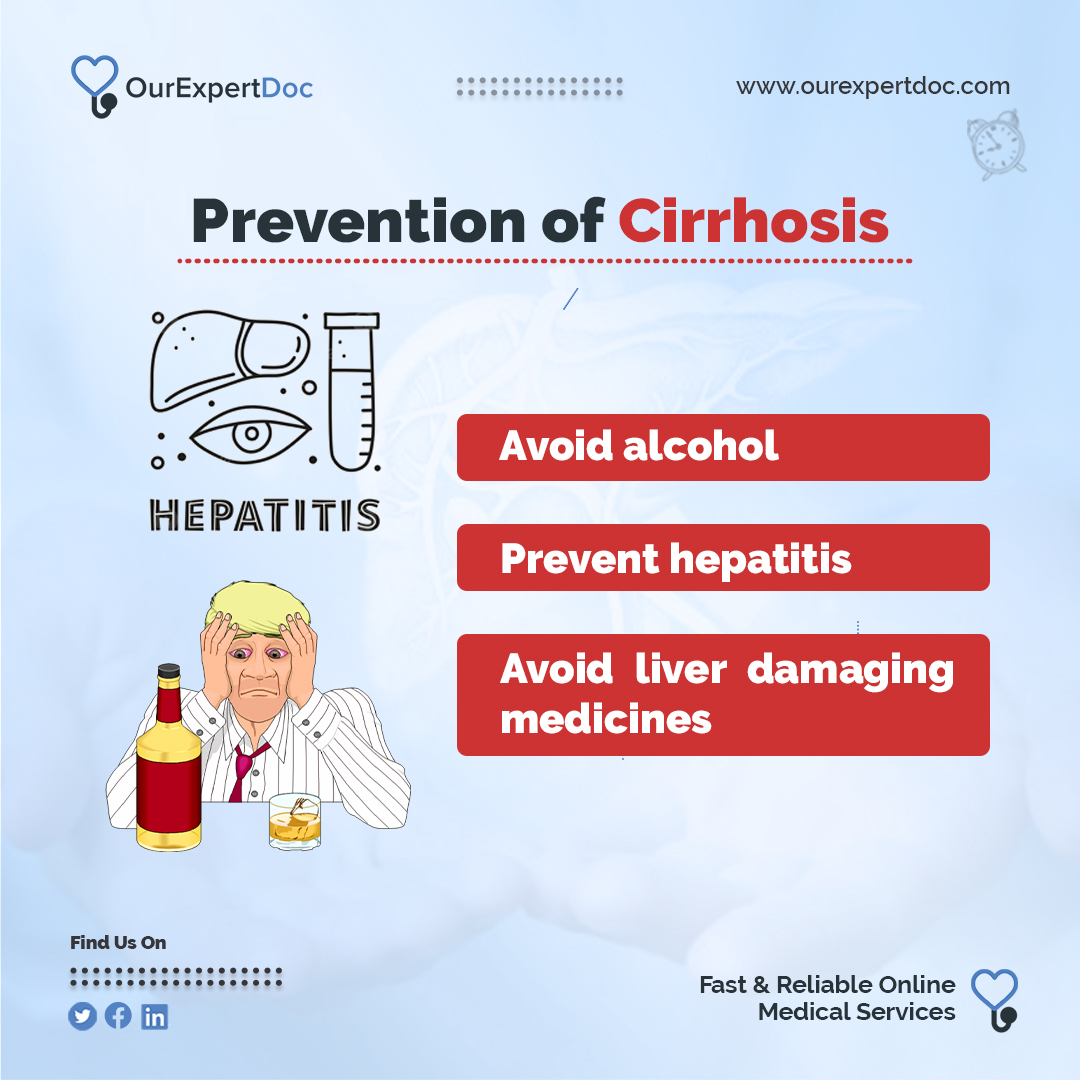
Chronic alcohol use (alcohol-related liver disease)
Hepatitis B or Hepatitis C infections
Non-alcoholic fatty liver disease (NAFLD) often linked with obesity and diabetes
Autoimmune liver diseases
Inherited disorders, such as hemochromatosis or Wilson’s disease
Symptoms of Cirrhosis
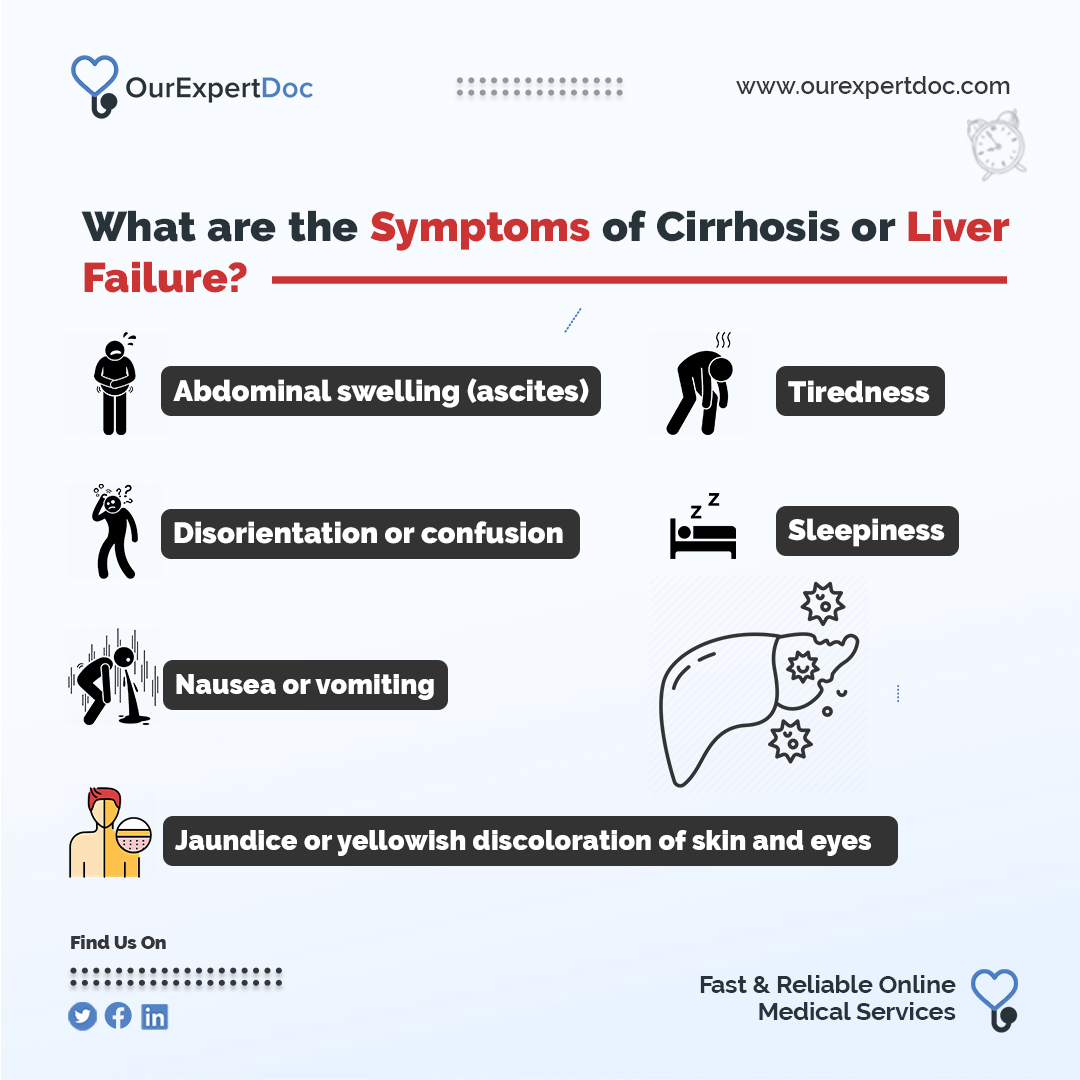
Early cirrhosis may not cause noticeable symptoms (compensated cirrhosis). As the disease progresses, common signs include:
Fatigue and weakness
Loss of appetite and weight loss
Nausea and abdominal pain
Jaundice (yellowing of skin and eyes)
Swelling in the legs, ankles, or abdomen (ascites)
Easy bruising or bleeding
Cirrhosis often develops silently for years, which is why early diagnosis is critical to slow down liver damage and protect life expectancy.
Life Expectancy with Cirrhosis
When someone is diagnosed with cirrhosis, the first concern is often life expectancy. While cirrhosis is a serious and progressive disease, survival rates vary widely depending on the stage of the disease, underlying causes, and treatment approach. If you’ve been diagnosed with cirrhosis, getting a second medical opinion from a specialist can give you more clarity on your condition and treatment options.
Talk to a Liver Specialist Now →
General Survival Outlook
People with early-stage (compensated) cirrhosis may live for 10–20 years or more, especially if the underlying cause is treated.
Those with advanced (decompensated) cirrhosis generally have a shorter survival rate, often 2–5 years without treatment
.
Prognosis Tools Doctors Use
Doctors use scoring systems to estimate cirrhosis survival:
Child-Pugh Score
Measures severity based on symptoms like ascites, jaundice, and lab results.
MELD Score (Model for End-Stage Liver Disease)
Predicts short-term survival and helps determine eligibility for a liver transplant.
While these tools provide estimates, every patient’s outlook is unique. With proper management, even those with advanced liver disease can extend their life expectancy significantly.
Stages of Cirrhosis and Survival Chances
Cirrhosis progresses slowly and is generally divided into two main stages compensated and decompensated. The stage of the disease has a major impact on life expectancy.
a) Compensated Cirrhosis
In compensated cirrhosis, the liver is scarred but still able to perform most of its essential functions. Many people have few or no symptoms, and the condition may be discovered only during routine tests.
Life expectancy: With treatment and healthy lifestyle changes, people can live 10–20 years or more.
Prognosis: If the underlying cause (such as hepatitis or alcohol use) is controlled, progression can be slowed dramatically.
b) Decompensated Cirrhosis
Decompensated cirrhosis occurs when the liver is no longer able to function properly. This stage is marked by severe complications such as:
Ascites (fluid buildup in the abdomen)
Variceal bleeding (bleeding in the esophagus or stomach)
Hepatic encephalopathy (confusion due to toxin buildup)
Jaundice (yellowing of the skin and eyes)
Life expectancy: Without treatment, survival is usually 2–5 years
End-stage cirrhosis: At this point, liver transplant may be the only option for long-term survival.
Quick Comparison: Compensated vs. Decompensated Cirrhosis
Compensated cirrhosis:
Few or no symptoms
Liver still performs vital functions
Survival: 10–20 years possible with proper care
Decompensated cirrhosis:
Severe complications (bleeding, fluid buildup, confusion, jaundice)
Liver cannot function effectively
Survival: 2–5 years without treatment; transplant may extend life significantly
Factors That Affect Life Expectancy
Not everyone with cirrhosis has the same outlook. Several personal, medical, and lifestyle factors influence how long someone can live with cirrhosis.
1. Age and Overall Health
Younger patients with fewer health problems often have better survival chances.
Older age or other chronic conditions (diabetes, heart disease, kidney disease) can worsen outcomes.
2. Cause of Cirrhosis
Alcohol-related cirrhosis may improve if alcohol is stopped completely.
Hepatitis-related cirrhosis can be better controlled with antiviral treatment.
Fatty liver disease (NAFLD) linked to obesity and diabetes may improve with diet, weight loss and lifestyle changes.
3. Complications
The presence of complications like ascites, variceal bleeding, or liver cancer significantly reduces life expectancy. Early treatment is key to preventing these.
4. Lifestyle Choices
Alcohol use: Continuing to drink drastically shortens survival. Ongoing alcohol use significantly reduces survival chances. The CDC highlights that stopping alcohol completely can slow cirrhosis progression.
Diet: A balanced diet rich in protein and nutrients supports liver health.
Exercise: Staying physically active helps maintain muscle strength and overall health.
5. Access to Treatment
Regular check-ups, medications, and in severe cases, liver transplantation greatly influence prognosis. Patients with early diagnosis and access to specialized care often live much longer.
Can You Live Long with Cirrhosis?
Many patients and families ask specific questions about survival. The answer depends on the stage of cirrhosis, lifestyle changes, and treatment access. Let’s address some of the most common queries.
Can You Live 20 Years with Cirrhosis?
Yes, if diagnosed early (compensated cirrhosis) and the underlying cause is treated, many patients can live 20 years or more. Avoiding alcohol, managing hepatitis, and following a liver-healthy lifestyle make a big difference.
Talk to a liver specialist online (Chat on WhatsApp)
How Long Can You Live with Decompensated Cirrhosis?
Without treatment, survival may be only 2–5 years. However, patients who qualify for a liver transplant often live much longer, with many surviving 10 years or more after surgery.
Can Cirrhosis Be Reversed?
Early cirrhosis (compensated): While scar tissue itself cannot be completely reversed, treatment can
halt or slow progression. In some cases (such as fatty liver or hepatitis), liver function can improve significantly.
Advanced cirrhosis: Damage is usually permanent, but medical care and lifestyle changes can still extend life expectancy and improve quality of life.
With proper care, some patients can live decades, while others in advanced stages may need urgent treatment like a transplant to survive.
How to Improve Life Expectancy with Cirrhosis
While cirrhosis is a serious condition, there are proven ways to slow progression, manage symptoms, and extend life expectancy.
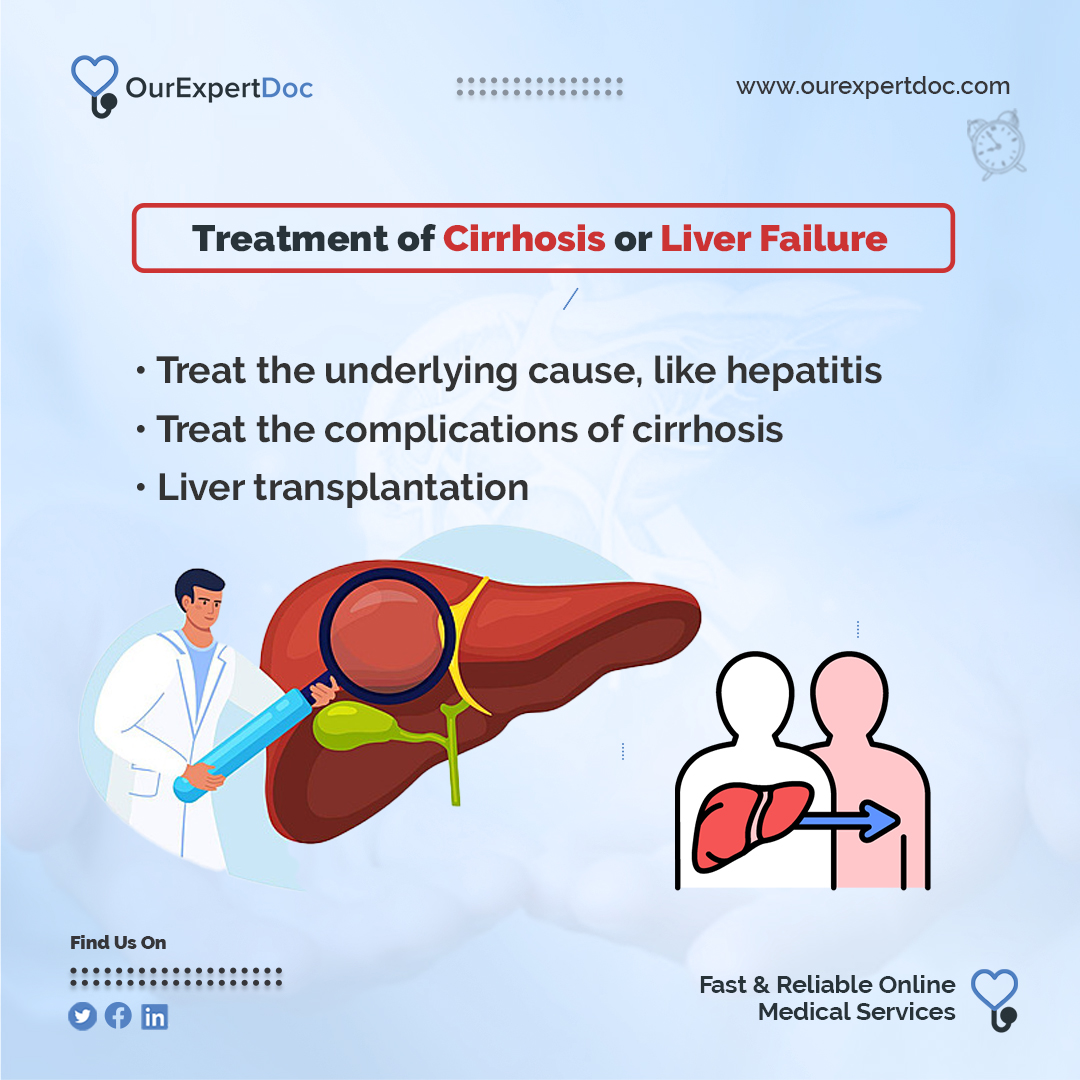
1. Treat the Underlying Cause
Alcohol-related cirrhosis: Complete abstinence from alcohol is critical.
Viral hepatitis: Antiviral medications can control Hepatitis B and cure Hepatitis C.
Fatty liver disease (NAFLD/NASH): Weight loss, managing diabetes, and lowering cholesterol can improve liver health.
2. Medications and Monitoring
Drugs may help reduce fluid buildup, control infections, and prevent bleeding.
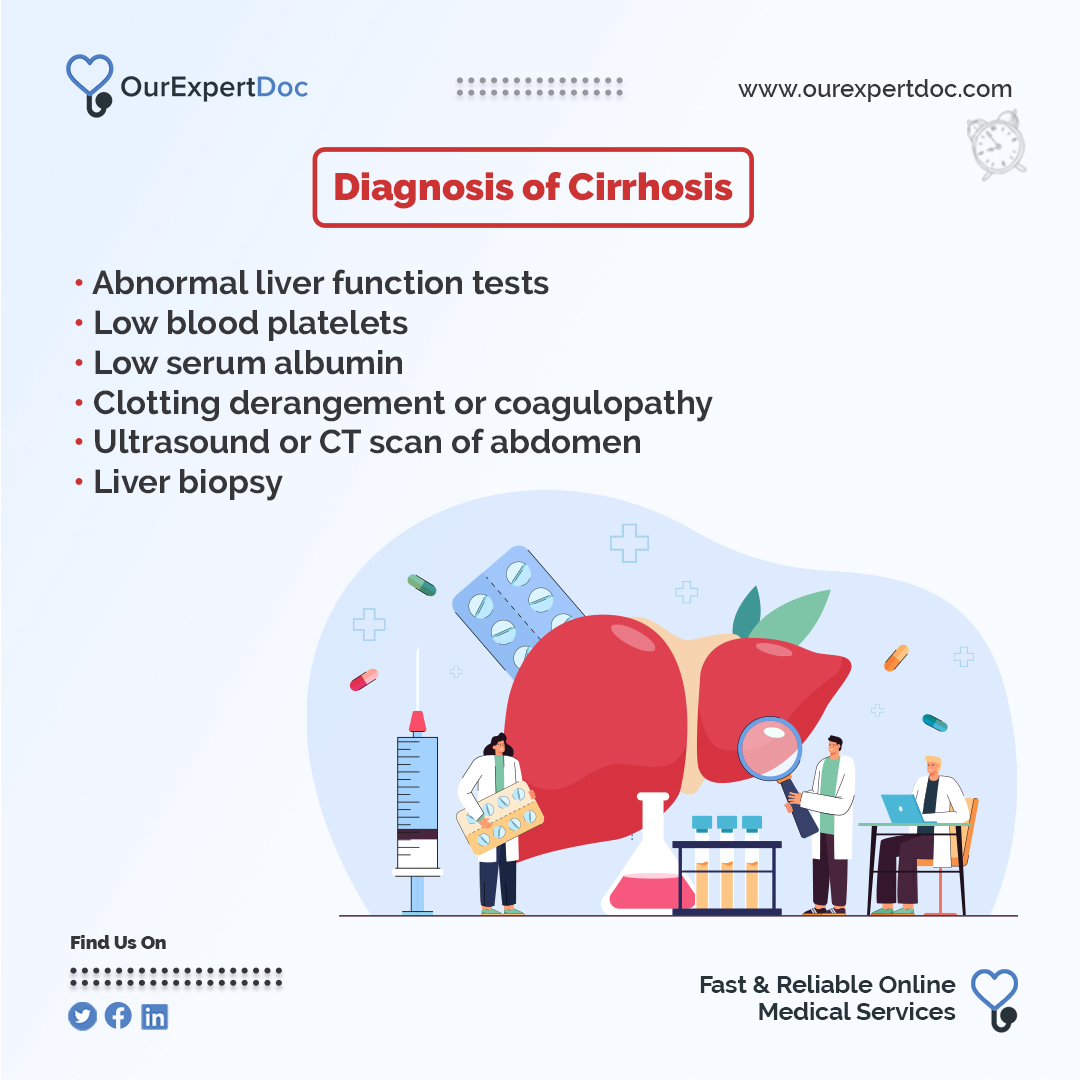
Regular blood tests and imaging detect complications early.
Avoid drugs that can worsen liver failure, including commonly used acetaminophen, etc.
3. Lifestyle Changes
Balanced diet: High-protein foods (unless advised otherwise by a doctor), fresh fruits, and vegetables support liver repair.
Salt restriction: Helps control swelling and ascites.
Exercise: Maintains strength, reduces obesity, and improves overall health.
Avoiding toxins: Stop alcohol completely and avoid unnecessary medications that strain the liver.
4. Liver Transplant (Last Option)
For advanced cases, a liver transplant evaluation may be the only life-saving option.
Around 70–80% of patients survive 5+ years after transplant.
Many live 10 years or more, with improved quality of life.
FAQs About Cirrhosis and Life Expectancy
What happens if cirrhosis is untreated?
If cirrhosis is left untreated, the liver gradually loses its ability to function. This can lead to liver failure, internal bleeding, severe infections, and even liver cancer, which significantly shortens life expectancy.
Does stopping alcohol improve life expectancy?
Yes. Stopping alcohol completely is one of the most effective ways to improve survival in alcohol-related cirrhosis. Patients who quit drinking often stabilize their condition and may live much longer.
Can early cirrhosis be managed?
Yes. Early-stage (compensated) cirrhosis can be managed with medications, lifestyle changes, and regular monitoring. Many patients live decades if the disease is caught early.
Is cirrhosis always fatal?
Not always. While cirrhosis is a serious and progressive disease, early treatment, lifestyle changes, and liver transplantation can allow many patients to live long, fulfilling lives.
Can cirrhosis be cured?
While scar tissue cannot be fully reversed, treatments can slow or stop its progression.
When to Seek Medical Help
Because cirrhosis can progress silently, it’s important to know when to seek urgent medical attention.
Warning Signs That Need Immediate Care
Confusion or disorientation (may indicate hepatic encephalopathy)
Swelling in the abdomen or legs due to fluid buildup
Vomiting blood or passing black stools (signs of internal bleeding)
Severe jaundice (yellowing of skin and eyes)
Unexplained weight loss or muscle wasting
Why Early Consultation Matters
Early diagnosis and treatment greatly increase survival chances. Even in advanced stages, timely medical care can help manage symptoms, prevent complications, and extend life expectancy.
If you or a loved one has symptoms of liver disease, don’t wait. Consult an online liver specialist today at OurExpertDoc through our Gastroenterology/Hepatology services.